Private & confidential
Dr. Huang Guozhi
Chinese name: 黄国志
Professor, Chief Physician, Doctoral Supervisor . Rehabilitation Medicine
Professor Huang Guozhi is Dean of the School of Rehabilitation Medicine at Southern Medical University and academic leader of rehabilitation medicine at Zhujiang Hospital. A leading expert in intelligent rehabilitation, he specialises in spinal and joint pain, stroke and brain injury rehabilitation, and directs the university's Intelligent Rehabilitation Research Centre.
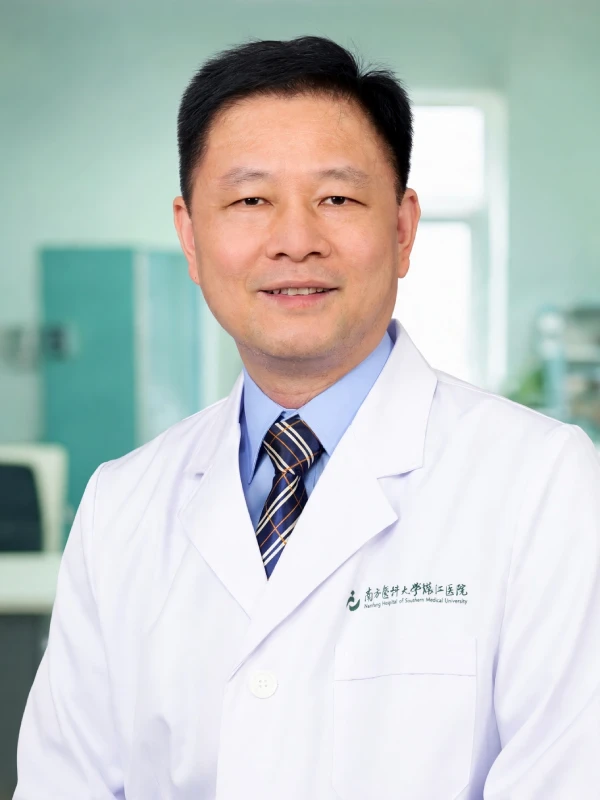
Dr. Huang Guozhi
190+ papers
Published Academic Papers
3
National Natural Science Foundation General Projects Led
10
Rehabilitation Monographs Published
About Dr. Huang Guozhi
Professor Huang Guozhi is Dean of the School of Rehabilitation Medicine at Southern Medical University, Director of its Intelligent Rehabilitation Research Centre and academic leader of rehabilitation medicine at Zhujiang Hospital. He has devoted more than thirty-five years to rehabilitation medicine and is a leading figure in intelligent rehabilitation in China. He is expert in the rehabilitation of spinal and osteoarticular pain, including cervical spondylosis, lumbar disc herniation and degenerative joint disease, and in the rehabilitation of stroke and traumatic brain injury. He has published more than forty SCI papers, led national research projects and received provincial rehabilitation science awards.
1、Dean of the School of Rehabilitation Medicine at Southern Medical University
2、Director of the Intelligent Rehabilitation Research Centre and academic leader of rehabilitation medicine at Zhujiang Hospital
3、Standing director of the Chinese Association of Rehabilitation Medicine
4、Chairman of the Rehabilitation Education Committee of the Chinese Association of Rehabilitation Medicine
5、President of the Guangdong Association of Rehabilitation of Persons with Disabilities
6、Recipient of the Guangdong Good Doctor title and provincial rehabilitation science awards
Dr. Huang Guozhi ’s Three Key Areas of Expertise
Three areas of focused expertise, each supported by a deep subspecialty team, high case volumes and an English-speaking care pathway coordinated by Orisene.
Spinal and joint pain
Professor Huang diagnoses and treats spinal and osteoarticular pain, including cervical spondylosis, lumbar disc herniation and degenerative joint disease, using multimodal rehabilitation to relieve pain, restore mobility and improve function for patients with chronic musculoskeletal conditions in daily clinical practice.
Stroke rehabilitation
He provides comprehensive rehabilitation for patients after stroke, combining conventional physical and occupational therapy with intelligent devices such as rehabilitation robots to promote neuroplasticity, improve upper and lower limb motor function and support recovery of daily activities after brain injury.
Intelligent rehabilitation
Professor Huang pioneers intelligent rehabilitation, integrating artificial intelligence, telerehabilitation and exoskeleton robotics into clinical practice, and leads research that develops and evaluates these technologies to expand access, personalise training and improve outcomes for patients with pain and neurological disability in China.
More:brain injury rehabilitation——recovery; low back pain——management; sports injury——rehabilitation; spasticity——treatment; rehabilitation robotics——research
Selected cases, research & publications
Representative work drawn from documented clinical treatments, publicly indexed literature, and hospital project records, reflecting the depth of this physician's hands-on expertise and academic rigor.
1. Multimodal Exercise Telerehabilitation Based on Artificial Intelligence for Chronic Nonspecific Low Back Pain
This randomised controlled trial evaluated artificial-intelligence-based multimodal exercise telerehabilitation for patients with chronic nonspecific low back pain. Delivered remotely with real-time feedback, the programme reduced pain, improved lumbar function and increased patient adherence, offering an accessible home rehabilitation option for people unable to attend hospital sessions.
Related link: https://pubmed.ncbi.nlm.nih.gov/40402551/
2. Effects of AI-Recognition-Based Telerehabilitation on Exercise Capacity in Patients With Hypertension
This randomised trial tested an artificial-intelligence recognition-based telerehabilitation programme to improve exercise capacity in patients with hypertension. Supervised remotely and tailored to each participant, the training increased functional capacity and supported blood-pressure management, showing how digital rehabilitation can serve cardiovascular patients at home.
Related link: https://pubmed.ncbi.nlm.nih.gov/41529829/
3. Exoskeleton Rehabilitation Robot Training and Neuroplasticity After Stroke
This study examined how exoskeleton rehabilitation robot training affects neuroplasticity and lower-limb motor function in patients recovering from stroke. The robot-assisted gait training promoted cortical reorganisation and walking ability, supporting intelligent robotic rehabilitation as an effective approach for hemiplegic stroke patients.
Related link: https://pubmed.ncbi.nlm.nih.gov/40319228/
4. Cortical Activity During Walking and Cognitive Tasks in Chronic Low Back Pain
Using functional near-infrared spectroscopy, this study measured cortical activity during walking and cognitive tasks in patients with chronic nonspecific low back pain. It revealed altered brain activation patterns and dual-task interference, helping clinicians understand central mechanisms and design better exercise rehabilitation for persistent low back pain.
Related link: https://pubmed.ncbi.nlm.nih.gov/42110199/
5. Imperceptible Hydrogel Electronic Skin for Early Intervention in Neck Pain
This study developed an imperceptible hydrogel electronic skin for continuous monitoring and early intervention in neck pain. The flexible wearable sensor tracks muscle activity and posture, enabling timely warning and personalised rehabilitation guidance for people with cervical spondylosis and work-related neck discomfort.
Related link: https://pubmed.ncbi.nlm.nih.gov/42228581/
6. Telerehabilitation Based on Motion Recognition After Lung Cancer Surgery
This randomised trial assessed a motion-recognition telerehabilitation programme for patients recovering after lung cancer surgery. The remote exercise intervention improved pulmonary function, exercise capacity and quality of life, demonstrating that smart home-based rehabilitation can benefit thoracic surgery patients during postoperative recovery.
Related link: https://pubmed.ncbi.nlm.nih.gov/42373087/
Where Dr. Huang Guozhi practices
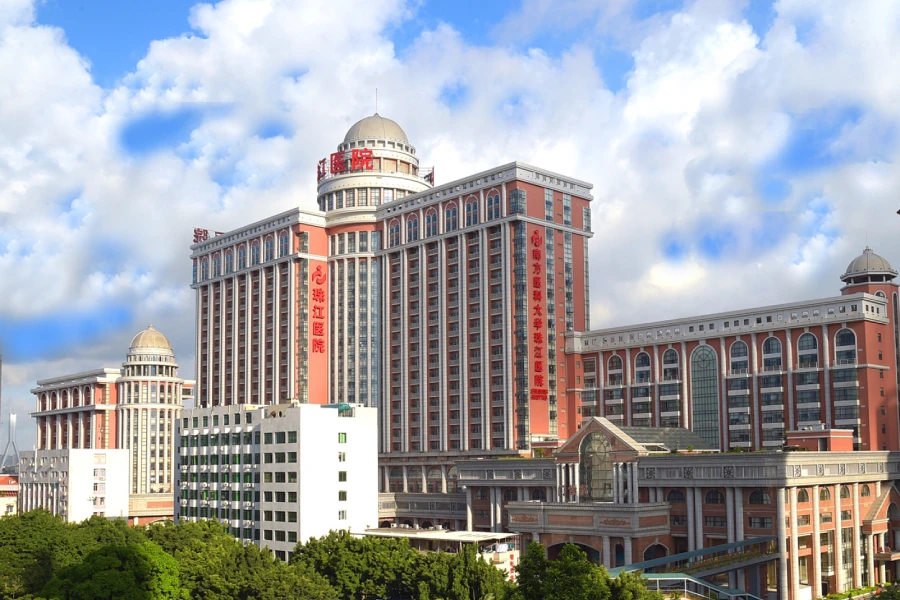
Zhujiang Hospital of Southern Medical University
Chinese name: 南方医科大学珠江医院
Zhujiang Hospital of Southern Medical University, born in 1947 as a military field hospital and among the nation's first Grade-A tertiary hospitals, operates 3,500 beds across two campuses, holding 5 national key specialties and leading South China in neurosurgery, pediatric critical care and organ transplantation.
Since 1947
79 years of care
3,500
Licensed beds
65
Clinical departments
5
Licensed beds
Appointments with this physician are booked through official hospital channels only, coordinated end-to-end by Orisene.
Why patients travel to China for treatment
Six reasons international patients now put China on their shortlist — from internationally aligned clinical capability to the policy channels that make treatment here genuinely reachable.
Clinical capability at international standard
Chinese hospitals deliver internationally aligned protocols, performing vast volumes of advanced robotic, minimally invasive, and complex transplant surgeries annually. This massive clinical data and highly specialized workforce ensure world-class outcomes, even for rare and complex cases.
Diagnostics and treatment in days, not months
A full medical workup that typically means months of waiting elsewhere is completed in China within 48–72 hours. Imaging, labs, and multidisciplinary consultations are integrated into a single visit, allowing treatment to commence immediately.
Transparent, itemised pricing
Chinese healthcare offers legally binding, itemised cost estimates before treatment begins, eliminating hidden fees or surprise billing. Due to national centralized procurement, total expenses remain 40–70% lower than comparable care in Western Europe or North America.
Policy channels that open the door
China facilitates access through 240-hour visa-free transit and dedicated medical visa routes. Policies like the Greater Bay Area drug pathway and Boao Lecheng’s pilot zone allow designated hospitals to administer innovative therapies not yet globally approved.
Consulting this physician, step by step
From the first message to the follow-up after you fly home, one coordinator, no paperwork on your side.
01
Day 0
- Share your storyA private consultation with an Orisene advisor, by message, phone or video. Send medical records in any language. Nothing is shared with the hospital yet.
02
Days 1–3
- Records review & matchingOrisene translates and presents your case to the right specialist. The hospital returns a tailored care plan, with costs itemised once that plan is confirmed.
03
Days 3–7
- Your consultationAppointments are booked through official hospital channels only. Your navigator accompanies every visit with real-time interpretation, so you can focus on one thing: being cared for.
04
After you fly home
- Reports & follow-upTranslated reports and prescriptions delivered within days, remote follow-up coordination with your physicians at home, and a standing line to your navigator.
Orisene offers English and multilingual services, a professional medical interpreter at every consultation, plus translation of your records, reports and prescriptions.
Ready to plan your consultation with Dr. Huang Guozhi?
Send your records in any language. An Orisene advisor will reply within 2 hours, present your case to the right specialist, and return a tailored care plan with itemised costs, before anything is booked. Simple. Private. Efficient.
Information Sources
This physician profile is compiled by the Orisene team from publicly available online sources and verified at the time of publication. Details may change, and physician availability is confirmed at the time of booking.
- Zhujiang Hospital Official Expert Page: https://www.zjyy.com.cn/news/doctor_details.html?fd_loginId=7279&fd_branchId=143
- PubMed Author Records (intelligent rehabilitation): https://pubmed.ncbi.nlm.nih.gov/40402551/
Disclaimer: This information is for general educational purposes only and is not a substitute for professional medical advice, diagnosis, or treatment. Always consult a qualified healthcare provider for personal medical guidance.
Mention of any specific product, brand, or manufacturer is for informational purposes only and does not constitute an endorsement or recommendation by Dr. Huang Guozhi.