Private & confidential
Dr. Liu Qifa
Chinese name: 刘启发
Professor, Chief Physician, Doctoral Supervisor, Director . Haematology & Haematopoietic Stem Cell Transplantation
Professor Liu Qifa is Director of Haematology at Nanfang Hospital of Southern Medical University and President of the Southern Medical University Institute of Haematology. A leading haematologist in South China, he specialises in hematopoietic stem cell transplantation and refractory leukaemia, and led the phase 3 trial establishing sorafenib maintenance after transplantation for FLT3-ITD acute myeloid leukaemia.
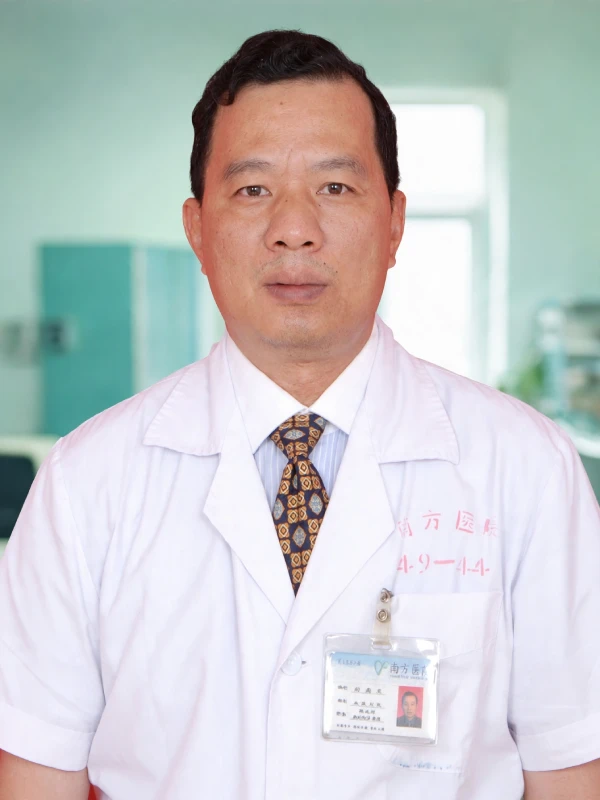
Dr. Liu Qifa
200+
Published papers
50+
SCI papers
2
Provincial and ministerial first prizes
About Dr. Liu Qifa
Professor Liu Qifa is Director of Haematology at Nanfang Hospital of Southern Medical University and President of the Southern Medical University Institute of Haematology. He has devoted more than thirty years to hematopoietic stem cell transplantation and malignant blood diseases, with particular expertise in leukaemia, aplastic anaemia and infection prevention in immunocompromised patients. He has published over two hundred papers, including high-impact work in Lancet Oncology, Blood and Leukemia, and his phase 3 trial of sorafenib maintenance after transplantation improved survival in FLT3-ITD acute myeloid leukaemia. He has led national key research projects and serves as Vice Chairman of the Chinese Society of Haematology.
1、Director of Haematology at Nanfang Hospital of Southern Medical University
2、President of the Southern Medical University Institute of Haematology
3、Vice Chairman of the Chinese Society of Haematology
4、Chairman of the Guangdong Medical Association Haematology Branch
5、Recipient of a National Science and Technology Progress Second Prize
6、Recipient of a Guangdong Provincial Science and Technology Progress Second Prize and a China Anti-Cancer Association Science and Technology Award
Dr. Liu Qifa ’s Three Key Areas of Expertise
Three areas of focused expertise, each supported by a deep subspecialty team, high case volumes and an English-speaking care pathway coordinated by Orisene.
Haematopoietic stem cell transplantation
He performs allogeneic and autologous hematopoietic stem cell transplantation for leukaemia, lymphoma and severe aplastic anaemia, selecting optimal donors and conditioning regimens to control disease, rebuild the blood and immune system and improve long-term survival for patients with these life-threatening blood disorders.
Refractory leukaemia
He diagnoses and treats acute and chronic leukaemia, including relapsed and refractory cases, using molecular profiling, targeted therapy and transplantation to achieve remission, reduce relapse and improve outcomes for patients living with these complex, high-risk haematological malignancies in routine clinical practice.
Aplastic anaemia and immune cytopenia
He manages severe aplastic anaemia, immune thrombocytopenia and related bone marrow failure with immunosuppressive therapy and transplantation, integrating careful monitoring to restore blood cell production and reduce transfusion dependence for patients living with these rare and serious haematological disorders in routine clinical practice.
More:lymphoma——chemotherapy; multiple myeloma——treatment; myelodysplastic syndrome——management; graft-versus-host disease——prevention; infection in immunocompromised patients——control
Selected cases, research & publications
Representative work drawn from documented clinical treatments, publicly indexed literature, and hospital project records, reflecting the depth of this physician's hands-on expertise and academic rigor.
1. Sorafenib Maintenance after Allogeneic Transplantation for FLT3-ITD Acute Myeloid Leukemia
This open-label randomised phase three trial led by Liu Qifa gave sorafenib maintenance to two hundred two patients with FLT3-ITD acute myeloid leukemia after allogeneic hematopoietic stem cell transplantation. The one-year relapse rate fell from twenty four point five percent to seven percent, and long-term follow-up showed improved overall and leukaemia-free survival, establishing a new standard of care.
Related link: https://pubmed.ncbi.nlm.nih.gov/32791048/
2. Long-Term Follow-Up of Sorafenib Prophylaxis after Stem Cell Transplant
This post-hoc analysis of the five-year data confirmed that sorafenib maintenance after haematopoietic stem cell transplantation improved overall survival, leukaemia-free survival and graft-versus-host disease free relapse-free survival, while reducing the cumulative incidence of relapse. The authors concluded sorafenib is a standard of care for FLT3-ITD acute myeloid leukemia patients undergoing allogeneic transplantation.
Related link: https://pubmed.ncbi.nlm.nih.gov/37414062/
3. Mesenchymal Stromal Cells plus Basiliximab for Steroid-Resistant Acute GVHD
This multicenter randomized phase three trial led by Liu Qifa evaluated mesenchymal stromal cells combined with basiliximab and a calcineurin inhibitor for steroid-resistant acute graft-versus-host disease after hematopoietic stem cell transplantation. The regimen improved response rates for patients with this severe complication, offering an effective cellular therapy option for steroid-refractory acute GVHD.
Related link: https://pubmed.ncbi.nlm.nih.gov/35255929/
4. Busulfan plus Fludarabine versus Busulfan plus Cyclophosphamide before Haploidentical Transplant
This multicenter randomized phase three trial conducted by Liu Qifa’s group compared busulfan plus fludarabine with busulfan plus cyclophosphamide as conditioning before HLA-haploidentical hematopoietic cell transplantation in acute myeloid leukemia. The fludarabine-based regimen reduced toxicity while maintaining efficacy, helping guide conditioning selection for patients lacking matched donors worldwide.
Related link: https://pubmed.ncbi.nlm.nih.gov/39137378/
5. Sequential Intensified Conditioning and Graft-versus-Leukemia for Refractory Acute Myeloid Leukemia
Liu Qifa’s group reported a sequential intensified conditioning regimen combined with graft-versus-leukemia induction for refractory acute myeloid leukemia before allogeneic transplantation. The strategy achieved a five-year overall survival of about fifty one percent in this high-risk group lacking remission, showing that intensified conditioning can improve long-term outcomes for refractory leukemia patients undergoing stem cell transplantation.
Related link: https://pubmed.ncbi.nlm.nih.gov/26710693/
6. Sequential Intensified Conditioning and Tapered Immunosuppressants for Refractory Leukemia
This clinical trial reported a sequential intensified conditioning regimen together with tapered immunosuppressant withdrawal to induce graft-versus-leukemia effects in patients with refractory leukemia undergoing allogeneic hematopoietic stem cell transplantation. The approach reduced relapse and improved survival in chemotherapy-resistant disease, providing a basis for conditioning strategies in difficult-to-treat hematologic malignancies including refractory acute leukemia.
Related link: https://pubmed.ncbi.nlm.nih.gov/19822296/
Where Dr. Liu Qifa practices
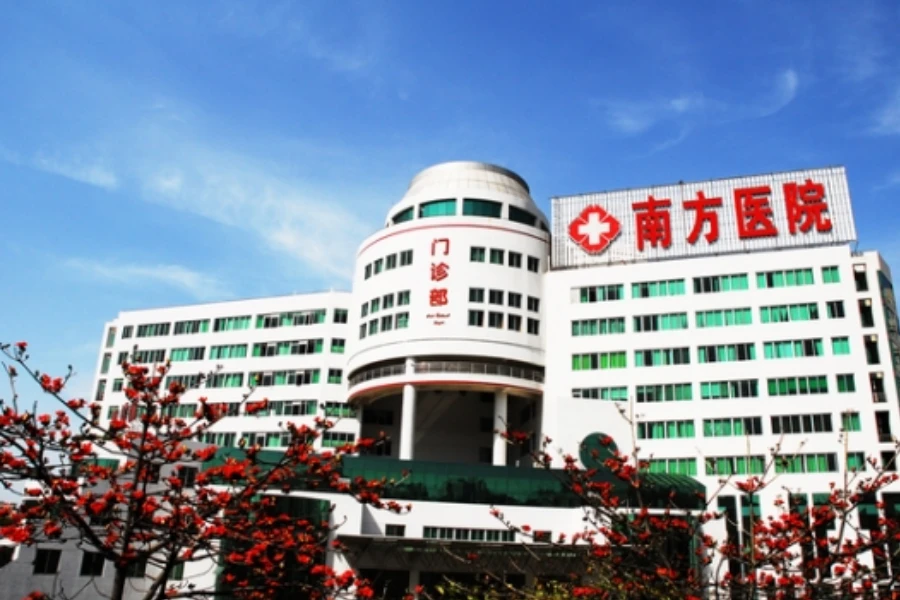
Nanfang Hospital, Southern Medical University
Chinese name: 南方医科大学南方医院
Nanfang Hospital, founded in 1941 as a wartime rear hospital and now a national regional medical center of Southern Medical University, is a Grade-A tertiary hospital holding 5 national key disciplines, 17 national key specialties and a nationally leading nephrology program.
Since 1941
85 years of care
2,225
Licensed beds
17
National key specialties
3.32 million (2021)
Licensed beds
Appointments with this physician are booked through official hospital channels only, coordinated end-to-end by Orisene.
Why patients travel to China for treatment
Six reasons international patients now put China on their shortlist — from internationally aligned clinical capability to the policy channels that make treatment here genuinely reachable.
Clinical capability at international standard
Chinese hospitals deliver internationally aligned protocols, performing vast volumes of advanced robotic, minimally invasive, and complex transplant surgeries annually. This massive clinical data and highly specialized workforce ensure world-class outcomes, even for rare and complex cases.
Diagnostics and treatment in days, not months
A full medical workup that typically means months of waiting elsewhere is completed in China within 48–72 hours. Imaging, labs, and multidisciplinary consultations are integrated into a single visit, allowing treatment to commence immediately.
Transparent, itemised pricing
Chinese healthcare offers legally binding, itemised cost estimates before treatment begins, eliminating hidden fees or surprise billing. Due to national centralized procurement, total expenses remain 40–70% lower than comparable care in Western Europe or North America.
Policy channels that open the door
China facilitates access through 240-hour visa-free transit and dedicated medical visa routes. Policies like the Greater Bay Area drug pathway and Boao Lecheng’s pilot zone allow designated hospitals to administer innovative therapies not yet globally approved.
Consulting this physician, step by step
From the first message to the follow-up after you fly home, one coordinator, no paperwork on your side.
01
Day 0
- Share your storyA private consultation with an Orisene advisor, by message, phone or video. Send medical records in any language. Nothing is shared with the hospital yet.
02
Days 1–3
- Records review & matchingOrisene translates and presents your case to the right specialist. The hospital returns a tailored care plan, with costs itemised once that plan is confirmed.
03
Days 3–7
- Your consultationAppointments are booked through official hospital channels only. Your navigator accompanies every visit with real-time interpretation, so you can focus on one thing: being cared for.
04
After you fly home
- Reports & follow-upTranslated reports and prescriptions delivered within days, remote follow-up coordination with your physicians at home, and a standing line to your navigator.
Orisene offers English and multilingual services, a professional medical interpreter at every consultation, plus translation of your records, reports and prescriptions.
Ready to plan your consultation with Dr. Liu Qifa?
Send your records in any language. An Orisene advisor will reply within 2 hours, present your case to the right specialist, and return a tailored care plan with itemised costs, before anything is booked. Simple. Private. Efficient.
Information Sources
This physician profile is compiled by the Orisene team from publicly available online sources and verified at the time of publication. Details may change, and physician availability is confirmed at the time of booking.
- Nanfang Hospital Official Expert Page (Haematology): https://www.nfyy.com/wap/aboutus/zzjg/kyjg/dzhpx/yjfx/yczl/a_108639.html
- PubMed Author Records (stem cell transplantation): https://pubmed.ncbi.nlm.nih.gov/32791048/
Disclaimer: This information is for general educational purposes only and is not a substitute for professional medical advice, diagnosis, or treatment. Always consult a qualified healthcare provider for personal medical guidance.
Mention of any specific product, brand, or manufacturer is for informational purposes only and does not constitute an endorsement or recommendation by Dr. Liu Qifa.