Private & confidential
Dr. Lu Zhengqi
Chinese name: 陆正齐
Professor, Chief Physician, Doctoral Supervisor . Neurology
Professor Lu Zhengqi is Director of Neurology and Executive Deputy Director of the Brain Centre at the Third Affiliated Hospital of Sun Yat-sen University. Chairman of the Cerebral Small Vessel Disease Committee of the Chinese Stroke Association, he specialises in stroke, cerebral small vessel disease and neuroimmunology, and leads national research on vascular cognitive impairment.
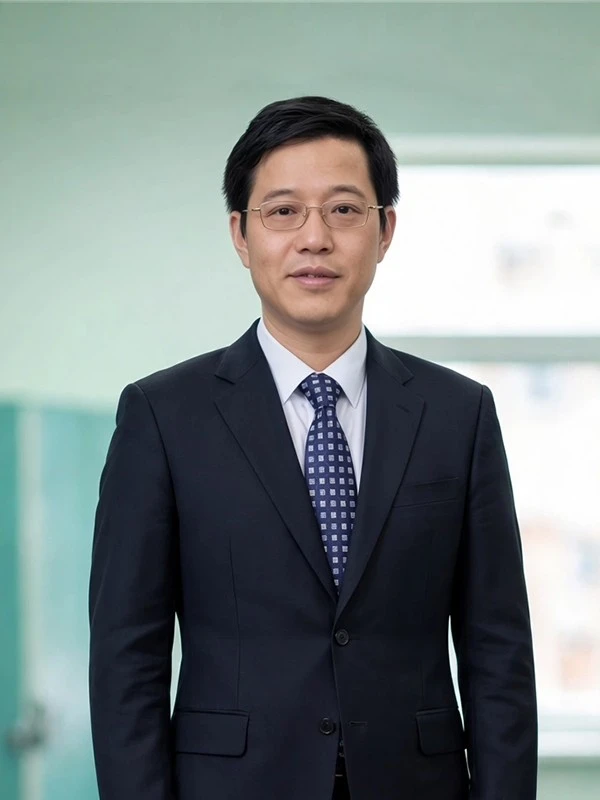
Dr. Lu Zhengqi
over 20
Years in cerebrovascular research
60+
SCI papers as first or corresponding author
6
National Natural Science Foundation grants
About Dr. Lu Zhengqi
Professor Lu Zhengqi is Director of Neurology, Executive Deputy Director of the Brain Centre and Director of the Sleep Medicine Centre at the Third Affiliated Hospital of Sun Yat-sen University. He has devoted his career to cerebrovascular disease, cerebral small vessel disease and neuroimmunology, and established one of China's leading programmes for CADASIL and other hereditary small vessel diseases. His research explores the gut-brain axis, glymphatic dysfunction and brain ageing in cerebral small vessel disease, and he has published more than sixty SCI papers. He serves as Chairman of the Cerebral Small Vessel Disease Committee of the Chinese Stroke Association.
1、Director of Neurology, Executive Deputy Director of the Brain Centre and Director of the Sleep Medicine Centre at the Third Affiliated Hospital of Sun Yat-sen University
2、Chairman of the Cerebral Small Vessel Disease Committee of the Chinese Stroke Association
3、Former Chairman of the Neurology Branch of the Guangdong Medical Association
4、Editorial board member of the Chinese Journal of Neurology
5、Lead investigator of national research on cerebral small vessel disease and CADASIL
6、Senior visiting scholar at the University of Pittsburgh
Dr. Lu Zhengqi ’s Three Key Areas of Expertise
Three areas of focused expertise, each supported by a deep subspecialty team, high case volumes and an English-speaking care pathway coordinated by Orisene.
Cerebral small vessel disease
He diagnoses and treats cerebral small vessel disease, leukoaraiosis and vascular cognitive impairment, integrating advanced imaging and risk-factor control to slow disease progression, prevent recurrent stroke and dementia and guide long-term care for older patients living with chronic cerebrovascular disease.
Acute ischaemic stroke
He provides emergency and comprehensive care for acute ischaemic stroke, including thrombolysis, endovascular treatment and secondary prevention, and leads clinical research that aims to improve reperfusion, neurological recovery and long-term outcomes for patients living with acute stroke in routine clinical practice.
Neuroimmunology and sleep disorders
He evaluates and treats neuroimmunological disorders such as multiple sclerosis and neuromyelitis optica, and sleep disorders including insomnia and sleep apnoea, using individualised immunotherapy and detailed sleep assessment to control symptoms and improve the neurological health and quality of life of patients.
More: CADASIL——diagnosis and care; vascular dementia——prevention; headache and dizziness——assessment; epilepsy——treatment; neurorehabilitation——recovery
Selected cases, research & publications
Representative work drawn from documented clinical treatments, publicly indexed literature, and hospital project records, reflecting the depth of this physician's hands-on expertise and academic rigor.
1. Nature Aging: Migrasomes Transmit Aging Signals in the Brain
Published in Nature Aging, this study revealed that border-associated macrophages release migrasomes carrying aging signals to microglia, accelerating brain aging and cognitive decline. Targeting these migrasomes improved cognition in aged mice, offering an early intervention strategy for Alzheimer’s, Parkinson’s and vascular cognitive impairment.
Related link: https://www.nature.com/articles/s43587-025-00956-5
2. PROMISE-CHINA: Process Reengineering to Shorten Door-to-Needle Time in Acute Ischemic Stroke
This multicenter prospective study evaluated how hospital process reengineering reduced door-to-needle time for intravenous thrombolysis in acute ischemic stroke. Faster thrombolysis improves outcomes, providing practical guidance for stroke centers treating patients with acute cerebral infarction and time-critical brain ischemia requiring rapid reperfusion.
Related link: https://pubmed.ncbi.nlm.nih.gov/42037720/
3. BM-MSC-Derived Migrasomes Reverse Stroke-Induced Thymic Atrophy
This research found that bone marrow mesenchymal stem cell-derived migrasomes reverse stroke-induced thymic atrophy and immunosuppression by delivering Pin1 to thymic epithelial cells. The mechanism suggests a cell-free therapy to reduce post-stroke infection, immunosuppression, complications and mortality in patients with ischemic stroke.
Related link: https://pubmed.ncbi.nlm.nih.gov/41241718/
4. Micheliolide Inhibits Inflammasome Activation After Ischemic Stroke
This study showed that micheliolide interferes with the PKM2-P65 interaction and inhibits inflammasome activation in macrophages after ischemic stroke. The finding highlights an anti-inflammatory target that may limit brain injury and support recovery in patients with acute ischemic stroke and neuroinflammation.
Related link: https://pubmed.ncbi.nlm.nih.gov/40690808/
5. Mesenchymal Stem Cells Protect Against Cerebral Amyloid Angiopathy
This study demonstrated that bone marrow mesenchymal stem cells protect against cerebral amyloid angiopathy by enhancing neutrophil mitocytosis. The results point to a promising cell-based therapy for patients with small vessel disease, cerebral microbleeds, vascular cognitive impairment and progressive cognitive decline.
Related link: https://pubmed.ncbi.nlm.nih.gov/40536954/
6. Thymosin Alpha-1 Neuroprotection via the Orexin Receptor HCRTR1
This study found that thymosin alpha-1 provides direct neuroprotection by engaging the orexin receptor HCRTR1 to suppress neuronal necroptosis. The mechanism offers a drug target for limiting neuronal death and improving neurological recovery in patients after stroke and other acute brain injuries.
Related link: https://pubmed.ncbi.nlm.nih.gov/42693587/
Where Dr. Lu Zhengqi practices
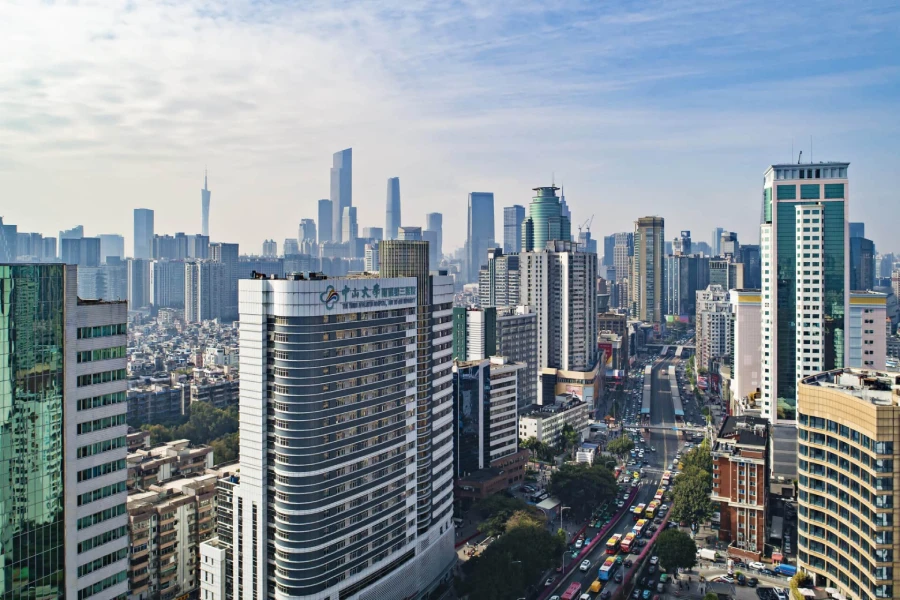
The Third Affiliated Hospital,Sun Yat-Sen University
Chinese name: 中山大学附属第三医院
The Third Affiliated Hospital of Sun Yat-sen University, a Grade-A tertiary hospital founded in 1971, excels in hepatology, neurology and immunology with 5 national key disciplines, 15 national key specialties, four campuses and nationally leading liver-disease care, serving over 12,000 daily outpatients.
Since 1971
55 years of care
2,000
Licensed beds
15
National key specialties
817
Licensed beds
Appointments with this physician are booked through official hospital channels only, coordinated end-to-end by Orisene.
Why patients travel to China for treatment
Six reasons international patients now put China on their shortlist — from internationally aligned clinical capability to the policy channels that make treatment here genuinely reachable.
Clinical capability at international standard
Chinese hospitals deliver internationally aligned protocols, performing vast volumes of advanced robotic, minimally invasive, and complex transplant surgeries annually. This massive clinical data and highly specialized workforce ensure world-class outcomes, even for rare and complex cases.
Diagnostics and treatment in days, not months
A full medical workup that typically means months of waiting elsewhere is completed in China within 48–72 hours. Imaging, labs, and multidisciplinary consultations are integrated into a single visit, allowing treatment to commence immediately.
Transparent, itemised pricing
Chinese healthcare offers legally binding, itemised cost estimates before treatment begins, eliminating hidden fees or surprise billing. Due to national centralized procurement, total expenses remain 40–70% lower than comparable care in Western Europe or North America.
Policy channels that open the door
China facilitates access through 240-hour visa-free transit and dedicated medical visa routes. Policies like the Greater Bay Area drug pathway and Boao Lecheng’s pilot zone allow designated hospitals to administer innovative therapies not yet globally approved.
Consulting this physician, step by step
From the first message to the follow-up after you fly home, one coordinator, no paperwork on your side.
01
Day 0
- Share your storyA private consultation with an Orisene advisor, by message, phone or video. Send medical records in any language. Nothing is shared with the hospital yet.
02
Days 1–3
- Records review & matchingOrisene translates and presents your case to the right specialist. The hospital returns a tailored care plan, with costs itemised once that plan is confirmed.
03
Days 3–7
- Your consultationAppointments are booked through official hospital channels only. Your navigator accompanies every visit with real-time interpretation, so you can focus on one thing: being cared for.
04
After you fly home
- Reports & follow-upTranslated reports and prescriptions delivered within days, remote follow-up coordination with your physicians at home, and a standing line to your navigator.
Orisene offers English and multilingual services, a professional medical interpreter at every consultation, plus translation of your records, reports and prescriptions.
Ready to plan your consultation with Dr. Lu Zhengqi?
Send your records in any language. An Orisene advisor will reply within 2 hours, present your case to the right specialist, and return a tailored care plan with itemised costs, before anything is booked. Simple. Private. Efficient.
Information Sources
This physician profile is compiled by the Orisene team from publicly available online sources and verified at the time of publication. Details may change, and physician availability is confirmed at the time of booking.
- Third Affiliated Hospital of Sun Yat-sen University Official Expert Page: https://www.zssy.com.cn/node/11143
- PubMed Author Records (cerebral small vessel disease): https://pubmed.ncbi.nlm.nih.gov/37684694/
Disclaimer: This information is for general educational purposes only and is not a substitute for professional medical advice, diagnosis, or treatment. Always consult a qualified healthcare provider for personal medical guidance.
Mention of any specific product, brand, or manufacturer is for informational purposes only and does not constitute an endorsement or recommendation by Dr. Lu Zhengqi.