Private & confidential
Dr. Qi Songtao
Chinese name: 漆松涛
Professor, Chief Physician, Doctoral Supervisor, Vice President . Neurosurgery
Professor Qi Songtao is Vice President of Nanfang Hospital of Southern Medical University and academic leader of neurosurgery. A leading neurosurgeon in China, he specialises in microsurgery for complex skull base, midline and brainstem tumours, has a leading voice in craniopharyngioma care, and has built one of China's largest neurosurgical tumour specimen banks.
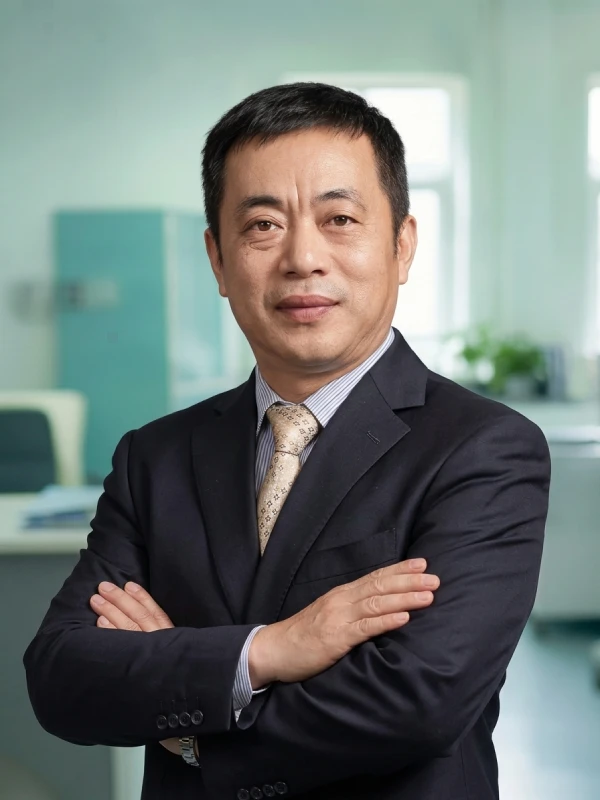
Dr. Qi Songtao
400+
SCI and domestic papers published
10
Academic monographs edited
180+
Master and doctoral students trained
About Dr. Qi Songtao
Professor Qi Songtao is Vice President of Nanfang Hospital of Southern Medical University, academic leader of neurosurgery and Executive Vice President of the Southern Brain Disease Research Institute. He has devoted more than forty years to neurosurgery, specialising in microsurgery for complex high-risk tumours of the skull base, midline and brainstem, and he is internationally recognised for his work on craniopharyngioma. He has published more than one hundred and sixty SCI papers, edited seven books, contributed to over ten expert consensuses and trained more than two hundred postgraduate students. He is a State Council Special Allowance expert and was named one of Guangdong's first Famous Doctors.
1、Vice President of Nanfang Hospital of Southern Medical University
2、Academic leader of neurosurgery and Director of the Southern Brain Centre
3、Vice Chairman of the Chinese Medical Association Neurosurgery Branch
4、Recipient of the State Council Special Allowance and named one of Guangdong’s first Famous Doctors
5、Editor of seven books, including an atlas of neurosurgical procedures
6、Recipient of twelve provincial and ministerial awards and trainer of over two hundred postgraduate students
Dr. Qi Songtao ’s Three Key Areas of Expertise
Three areas of focused expertise, each supported by a deep subspecialty team, high case volumes and an English-speaking care pathway coordinated by Orisene.
Skull base and craniopharyngioma surgery
He performs microsurgical resection of complex skull base tumours, including craniopharyngioma, using meticulous anatomical dissection to remove lesions completely while protecting the optic nerves, hypothalamus and major vessels in patients with these difficult, high-risk brain tumours in routine clinical practice.
Cerebrovascular disease and aneurysm
He treats cerebral aneurysms, arteriovenous malformations and moyamoya disease with microsurgical clipping, bypass and combined techniques, planning individualised procedures to secure the lesion, restore cerebral blood flow and prevent rupture or recurrent bleeding in patients with these dangerous vascular disorders.
Brain and brainstem tumours
He removes gliomas, meningiomas and brainstem tumours using microsurgical and image-guided techniques, integrating precise dissection with functional protection to achieve maximal safe resection and improve survival and neurological outcomes for patients with these challenging central nervous system tumours in routine clinical practice.
More:pituitary adenoma——transsphenoidal surgery; hydrocephalus——shunt surgery; trigeminal neuralgia——microvascular decompression; skull base meningioma——resection; head trauma——emergency surgery
Selected cases, research & publications
Representative work drawn from documented clinical treatments, publicly indexed literature, and hospital project records, reflecting the depth of this physician's hands-on expertise and academic rigor.
1. QST Classification of Craniopharyngioma and the Membranes of the Third Ventricle Floor
This pathological study clarified the relationship between craniopharyngioma and the third ventricle floor using the QST classification proposed by Qi Songtao. Examining fetal specimens and tumours removed en bloc, the authors showed that dura, arachnoid and pia mater separate different tumour types from the third ventricle, defining craniopharyngiomas as epi-pia mater tumours and guiding safe surgical resection.
Related link: https://pubmed.ncbi.nlm.nih.gov/32791520/
2. Pathological Relationship of Adamantinomatous Craniopharyngioma to Adjacent Structures
This study examined the pathological relationship between adamantinomatous craniopharyngioma and surrounding structures such as the pituitary stalk, optic chiasm and third ventricle floor using the QST classification. Understanding these relationships helps neurosurgeons choose the optimal approach, achieve total tumour removal and preserve vital neurovascular and hypothalamic function in patients with craniopharyngioma.
Related link: https://pubmed.ncbi.nlm.nih.gov/30239800/
3. Growth Patterns of Craniopharyngiomas: Clinical Analysis of 226 Patients
This study by Qi Songtao analysed two hundred twenty six patients with primary craniopharyngioma treated at Nanfang Hospital and proposed a simplified topographic classification based on tumour origin and relationship to the pituitary stalk and third ventricle floor. Tailoring the surgical approach to tumour growth pattern enabled total resection with reduced harm to surrounding critical neurovascular structures.
Related link: https://pubmed.ncbi.nlm.nih.gov/26636252/
4. Growth and Weight of Children with Craniopharyngioma by Tumour Location
This retrospective study of one hundred nine children with primary craniopharyngioma showed that growth retardation occurs early in intrasellar tumours, whereas rapid postoperative weight gain is common with third ventricle tumours. The findings identify tumour location as a predictor of severe long-term obesity and growth disturbance, informing endocrine follow-up and hypothalamic protection in paediatric craniopharyngioma.
Related link: https://pubmed.ncbi.nlm.nih.gov/24055207/
5. Atlas of Craniopharyngioma: Surgical Anatomy and Techniques
Edited by Qi Songtao, the Atlas of Craniopharyngioma presents detailed surgical anatomy, the QST classification and operative techniques for removing these difficult sellar and suprasellar tumours. Richly illustrated, the atlas documents membrane planes around the pituitary stalk and third ventricle floor, supporting neurosurgeons worldwide in achieving safe, complete resection of craniopharyngioma while protecting hypothalamic function.
6. Professor Qi Songtao and the Membranous Neurosurgery Concept
Qi Songtao founded and practises the membranous neurosurgery concept, emphasising dissection along natural arachnoid and pia mater planes to protect neural and vascular structures. As director of the neurosurgery centre at Nanfang Hospital, he has published more than four hundred papers, edited international atlases, trained over one hundred eighty postgraduate students and refined surgery for craniopharyngioma and skull base tumours.
Related link: https://portal.smu.edu.cn/bsbii/info/1074/3090.htm
Where Dr. Qi Songtao practices
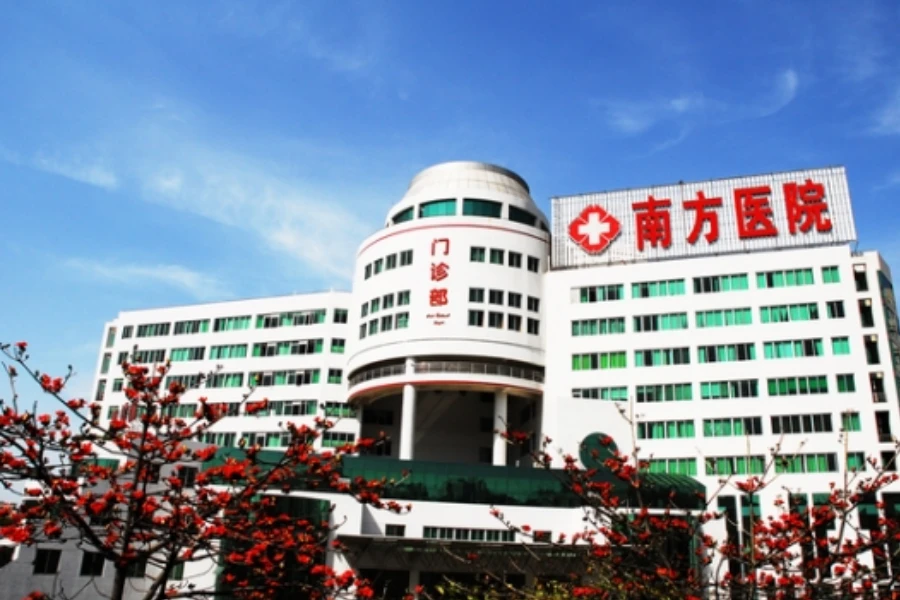
Nanfang Hospital, Southern Medical University
Chinese name: 南方医科大学南方医院
Nanfang Hospital, founded in 1941 as a wartime rear hospital and now a national regional medical center of Southern Medical University, is a Grade-A tertiary hospital holding 5 national key disciplines, 17 national key specialties and a nationally leading nephrology program.
Since 1941
85 years of care
2,225
Licensed beds
17
National key specialties
3.32 million (2021)
Licensed beds
Appointments with this physician are booked through official hospital channels only, coordinated end-to-end by Orisene.
Why patients travel to China for treatment
Six reasons international patients now put China on their shortlist — from internationally aligned clinical capability to the policy channels that make treatment here genuinely reachable.
Clinical capability at international standard
Chinese hospitals deliver internationally aligned protocols, performing vast volumes of advanced robotic, minimally invasive, and complex transplant surgeries annually. This massive clinical data and highly specialized workforce ensure world-class outcomes, even for rare and complex cases.
Diagnostics and treatment in days, not months
A full medical workup that typically means months of waiting elsewhere is completed in China within 48–72 hours. Imaging, labs, and multidisciplinary consultations are integrated into a single visit, allowing treatment to commence immediately.
Transparent, itemised pricing
Chinese healthcare offers legally binding, itemised cost estimates before treatment begins, eliminating hidden fees or surprise billing. Due to national centralized procurement, total expenses remain 40–70% lower than comparable care in Western Europe or North America.
Policy channels that open the door
China facilitates access through 240-hour visa-free transit and dedicated medical visa routes. Policies like the Greater Bay Area drug pathway and Boao Lecheng’s pilot zone allow designated hospitals to administer innovative therapies not yet globally approved.
Consulting this physician, step by step
From the first message to the follow-up after you fly home, one coordinator, no paperwork on your side.
01
Day 0
- Share your storyA private consultation with an Orisene advisor, by message, phone or video. Send medical records in any language. Nothing is shared with the hospital yet.
02
Days 1–3
- Records review & matchingOrisene translates and presents your case to the right specialist. The hospital returns a tailored care plan, with costs itemised once that plan is confirmed.
03
Days 3–7
- Your consultationAppointments are booked through official hospital channels only. Your navigator accompanies every visit with real-time interpretation, so you can focus on one thing: being cared for.
04
After you fly home
- Reports & follow-upTranslated reports and prescriptions delivered within days, remote follow-up coordination with your physicians at home, and a standing line to your navigator.
Orisene offers English and multilingual services, a professional medical interpreter at every consultation, plus translation of your records, reports and prescriptions.
Ready to plan your consultation with Dr. Qi Songtao?
Send your records in any language. An Orisene advisor will reply within 2 hours, present your case to the right specialist, and return a tailored care plan with itemised costs, before anything is booked. Simple. Private. Efficient.
Information Sources
This physician profile is compiled by the Orisene team from publicly available online sources and verified at the time of publication. Details may change, and physician availability is confirmed at the time of booking.
- Nanfang Hospital Official Expert Page (Neurosurgery): https://www.nfyy.com/wap/ks/wk/doctor_6046.html
- PubMed Author Records (neurosurgery and neuro-oncology): https://pubmed.ncbi.nlm.nih.gov/41821581/
Disclaimer: This information is for general educational purposes only and is not a substitute for professional medical advice, diagnosis, or treatment. Always consult a qualified healthcare provider for personal medical guidance.
Mention of any specific product, brand, or manufacturer is for informational purposes only and does not constitute an endorsement or recommendation by Dr. Qi Songtao.