Private & confidential
Dr. Qiu Jianguang
Chinese name: 邱剑光
Chief Physician, Doctoral Supervisor . Urology
Dr. Qiu Jianguang is Director of Urology and Deputy Director of Surgery at the Sixth Affiliated Hospital of Sun Yat-sen University, and originator of interfascial plane anatomy and plane-based surgery. He specialises in complex laparoscopic urological surgery, multidisciplinary abdominopelvic and perineal surgery, and enhanced recovery, and treats kidney, bladder and prostate tumours.
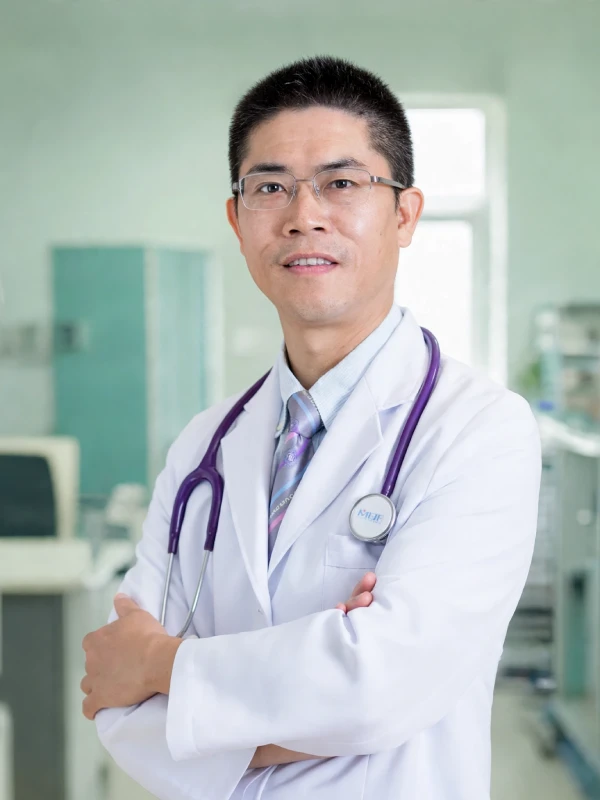
Dr. Qiu Jianguang
30+
Years in clinical practice
near 300
Laparoscopic urologic surgeries per year
40+
Papers published
About Dr. Qiu Jianguang
Dr. Qiu Jianguang is Director of Urology and Deputy Director of Surgery at the Sixth Affiliated Hospital of Sun Yat-sen University, and Deputy Director of its Pelvic Floor and Anorectal Disease Centre. Originator of interfascial plane anatomy and plane-based surgery, he applies anatomical planes to complex laparoscopic and robot-assisted urological operations, including radical prostatectomy, radical cystectomy with urinary diversion and nephron-sparing kidney surgery. He also performs multidisciplinary abdominopelvic and perineal surgery for advanced pelvic tumours and promotes enhanced recovery after surgery. His research on surgical anatomy and urological oncology has been published in international journals.
1、Director of Urology and Deputy Director of Surgery at the Sixth Affiliated Hospital of Sun Yat-sen University
2、Deputy Director of the Pelvic Floor and Anorectal Disease Centre
3、Originator of interfascial plane anatomy and plane-based surgery
4、Member of the Youth Committee of the Chinese Urological Association
5、Member of the Minimally Invasive Surgery Group of the Guangdong Urological Association
6、Leader in building an enhanced recovery after surgery programme for urology
Dr. Qiu Jianguang ’s Three Key Areas of Expertise
Three areas of focused expertise, each supported by a deep subspecialty team, high case volumes and an English-speaking care pathway coordinated by Orisene.
Kidney cancer
He performs laparoscopic and robot-assisted partial and radical nephrectomy for kidney tumours, using interfascial plane dissection to control bleeding and spare healthy kidney tissue, so that patients achieve complete tumour removal with preserved kidney function and faster recovery in routine practice. 2、
Bladder and prostate cancer
He treats bladder and prostate cancer with laparoscopic and robot-assisted radical surgery, including cystectomy with urinary diversion and nerve-sparing prostatectomy, so that tumour control is achieved while urinary and sexual function are preserved whenever this is safely possible for patients.
Complex pelvic and urinary tract disease
He manages complex pelvic and urinary tract disease, including advanced pelvic tumours, urinary fistula, obstruction and congenital anomalies, performing combined abdominopelvic and perineal surgery with a multidisciplinary team to restore function and improve survival and quality of life for complex cases.
More: urinary stones——holistic treatment; prostate hyperplasia——laser enucleation; paediatric urology——minimally invasive surgery; urinary infection——management; enhanced recovery——ERAS
Selected cases, research & publications
Representative work drawn from documented clinical treatments, publicly indexed literature, and hospital project records, reflecting the depth of this physician's hands-on expertise and academic rigor.
1. Interfascial Planes as Surgical Landmarks in Laparoscopic Upper Retroperitoneal Surgery
This article describes using interfascial planes as anatomical landmarks during laparoscopic surgery of the upper retroperitoneum, improving orientation and reducing bleeding. The approach helps patients undergoing minimally invasive kidney and adrenal surgery by making operations safer and more precise for surgeons.
Related link: https://pmc.ncbi.nlm.nih.gov/articles/PMC11157410/
2. Fascial Plane Surgery: A Systematic Approach to Laparoscopic Urology
This media feature introduces the concept of fascial plane surgery for laparoscopic urologic operations, describing how recognizing embryonic planes guides dissection in kidney, adrenal, and prostate surgery. It reflects efforts to standardize anatomy-based minimally invasive techniques for complex urologic tumors.
Related link: http://news.sohu.com/a/797257489_121124374
3. Suction-Blowing Technique for Laparoscopic Partial Nephrectomy
This clinical report from a Chinese urology journal described laparoscopic partial nephrectomy using a suction-blowing technique in 42 patients, aiming to control bleeding and preserve renal function. It offers a practical method for patients with small kidney tumors who need nephron-sparing surgery.
Related link: https://zhqjmnmwkzz.cma-cmc.com.cn/CN/article/downloadArticleFile.do?attachType=PDF&id=26842
4. Precise Anatomic Fascial-Plane Laparoscopic Radical Nephrectomy
This Chinese journal article describes precise, anatomy-based laparoscopic radical nephrectomy using the anterior renal fascial plane for renal cancer. The technique standardizes vascular control and dissection around the kidney, supporting safe oncologic surgery for patients with kidney tumors requiring radical nephrectomy.
Related link: http://cnki.cgl.org.cn/kcms/detail/detailall.aspx?filename=zhqj201804013&dbcode=CJFQ&dbname=CJFQTOTAL
5. Official Profile of a Laparoscopic Urologic Surgeon
This doctor profile summarizes experience in urologic minimally invasive surgery, including laparoscopic and robotic treatment of kidney, prostate, bladder, and adrenal tumors, helping patients locate an experienced specialist for complicated urologic cancer and reconstructive procedures and stone disease in Guangzhou.
Related link: https://www.haodf.com/doctor/237688/xinxi-jieshao.html
6. Urology Department Service Overview
This directory profile lists urologic services such as laparoscopic nephrectomy, partial nephrectomy, prostatectomy, and treatment of urinary stones and urothelial carcinoma, guiding patients to appropriate evaluation and surgical care for kidney and urinary tract diseases with experienced urologic multidisciplinary support.
Related link: https://m.cnkang.com/yyk/docindex/55662/
Where Dr. Qiu Jianguang practices
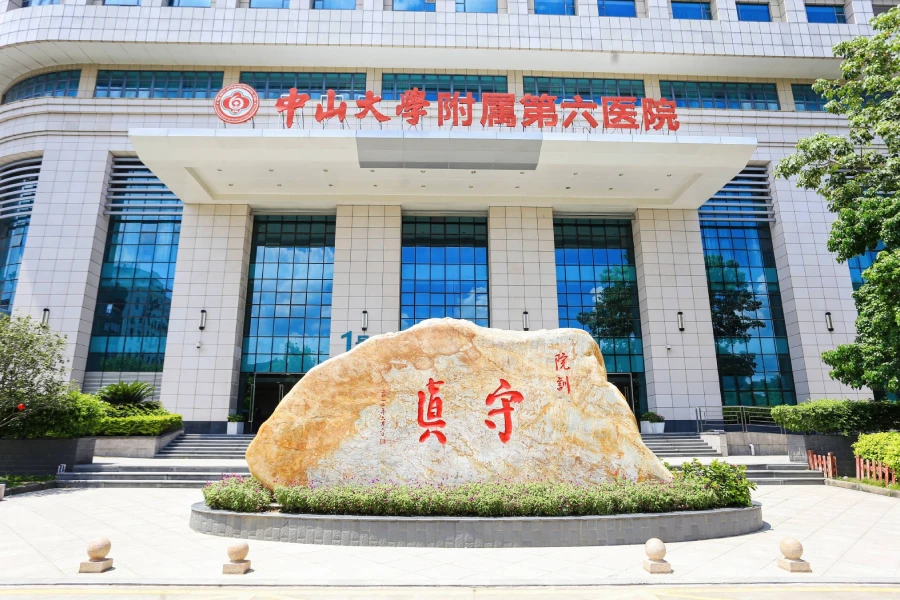
The Sixth Affiliated Hospital, Sun Yat-sen University
Chinese name: 中山大学附属第六医院
Founded in 1964, Sun Yat-sen University Sixth Affiliated Hospital is a Grade-A tertiary hospital renowned for gastrointestinal surgery and reproductive medicine, holding 3 national key specialties and the world's largest IBD case volume, opening 1,497 beds and ranking A+ nationally.
Since 1964
62 years of care
1,497
Licensed beds
6,415
Colorectal surgeries (2024)
1.66 million
Licensed beds
Appointments with this physician are booked through official hospital channels only, coordinated end-to-end by Orisene.
Why patients travel to China for treatment
Six reasons international patients now put China on their shortlist — from internationally aligned clinical capability to the policy channels that make treatment here genuinely reachable.
Clinical capability at international standard
Chinese hospitals deliver internationally aligned protocols, performing vast volumes of advanced robotic, minimally invasive, and complex transplant surgeries annually. This massive clinical data and highly specialized workforce ensure world-class outcomes, even for rare and complex cases.
Diagnostics and treatment in days, not months
A full medical workup that typically means months of waiting elsewhere is completed in China within 48–72 hours. Imaging, labs, and multidisciplinary consultations are integrated into a single visit, allowing treatment to commence immediately.
Transparent, itemised pricing
Chinese healthcare offers legally binding, itemised cost estimates before treatment begins, eliminating hidden fees or surprise billing. Due to national centralized procurement, total expenses remain 40–70% lower than comparable care in Western Europe or North America.
Policy channels that open the door
China facilitates access through 240-hour visa-free transit and dedicated medical visa routes. Policies like the Greater Bay Area drug pathway and Boao Lecheng’s pilot zone allow designated hospitals to administer innovative therapies not yet globally approved.
Consulting this physician, step by step
From the first message to the follow-up after you fly home, one coordinator, no paperwork on your side.
01
Day 0
- Share your storyA private consultation with an Orisene advisor, by message, phone or video. Send medical records in any language. Nothing is shared with the hospital yet.
02
Days 1–3
- Records review & matchingOrisene translates and presents your case to the right specialist. The hospital returns a tailored care plan, with costs itemised once that plan is confirmed.
03
Days 3–7
- Your consultationAppointments are booked through official hospital channels only. Your navigator accompanies every visit with real-time interpretation, so you can focus on one thing: being cared for.
04
After you fly home
- Reports & follow-upTranslated reports and prescriptions delivered within days, remote follow-up coordination with your physicians at home, and a standing line to your navigator.
Orisene offers English and multilingual services, a professional medical interpreter at every consultation, plus translation of your records, reports and prescriptions.
Ready to plan your consultation with Dr. Qiu Jianguang?
Send your records in any language. An Orisene advisor will reply within 2 hours, present your case to the right specialist, and return a tailored care plan with itemised costs, before anything is booked. Simple. Private. Efficient.
Information Sources
This physician profile is compiled by the Orisene team from publicly available online sources and verified at the time of publication. Details may change, and physician availability is confirmed at the time of booking.
- Sixth Affiliated Hospital of Sun Yat-sen University Official Expert Page: https://www.sysu6h.cn/expert/647
- PubMed Author Records (interfascial planes): https://pubmed.ncbi.nlm.nih.gov/38855604/
Disclaimer: This information is for general educational purposes only and is not a substitute for professional medical advice, diagnosis, or treatment. Always consult a qualified healthcare provider for personal medical guidance.
Mention of any specific product, brand, or manufacturer is for informational purposes only and does not constitute an endorsement or recommendation by Dr. Qiu Jianguang.