Private & confidential
Dr. Wang Bo
Chinese name: 王波
Chief Physician, Professor, Doctoral Supervisor, Head of Pediatric Internal Medicine . Pediatrics
Dr. Wang Bo is Head of Pediatric Internal Medicine and academic leader of pediatrics at Guangdong Women and Children Hospital, a chief physician, professor and doctoral supervisor. A winner of the Lingnan Famous Doctor and Yangcheng Good Doctor awards, he specializes in pediatric respiratory disease, critical care, immunology and rheumatology.

Dr. Wang Bo
35+ years
Pediatric clinical practice
140+
Peer-reviewed publications
13 (impact factor 42.189)
SCI-indexed papers
About Dr. Wang Bo
Dr. Wang Bo is a chief physician, professor and doctoral supervisor at Guangdong Women and Children Hospital, where he is Head of Pediatric Internal Medicine and academic leader of the pediatric discipline. A winner of the first Lingnan Famous Doctor and first Yangcheng Good Doctor awards, he is a founding leader of the hospital's pediatric respiratory department and pediatric intensive care unit (PICU). He specializes in pediatric respiratory diseases, critical care, immunology and rheumatology and the diagnosis of rare and complex diseases in children. He has led more than ten national and provincial research projects and published over 140 papers, including 13 SCI-indexed articles with a cumulative impact factor of 42.189.
1、Head of Pediatric Internal Medicine and academic leader of the pediatric discipline at Guangdong Women and Children Hospital
2、Winner of the First Lingnan Famous Doctor Award and the First Yangcheng Good Doctor Award
3、Founding leader of the hospital’s pediatric respiratory department and pediatric intensive care unit (PICU)
4、Principal investigator of more than ten national and provincial research projects
5、Author of over 140 papers, including 13 SCI-indexed articles with a cumulative impact factor of 42.189
6、Expert for the national hand-foot-mouth disease guideline and the EV71 severe-case expert consensus
Dr. Wang Bo ’s Three Key Areas of Expertise
Three areas of focused expertise, each supported by a deep subspecialty team, high case volumes and an English-speaking care pathway coordinated by Orisene.
Pediatric respiratory diseases
He diagnoses and treats childhood asthma, severe pneumonia, recurrent respiratory tract infection and chronic cough, using inhaled therapy, airway management and evidence-based protocols to relieve symptoms and reduce flare-ups, helping children with wheezing and persistent cough breathe more easily and supporting better long-term asthma control.
Pediatric critical care
He directs the rescue of critically ill children with respiratory failure, sepsis, shock and severe infection, using mechanical ventilation and organ support to stabilize patients and improve survival in the intensive care unit and manage life-threatening conditions in children, reduce pediatric mortality.
Pediatric immunology and rheumatology
He evaluates and treats immune and rheumatic disorders in children such as Kawasaki disease, juvenile idiopathic arthritis and primary immunodeficiency, using immunomodulation and long-term monitoring to control disease, prevent complications and support healthy growth and development in children, improving quality of life.
More: severe hand-foot-mouth disease (EV71 encephalitis) rescue; bronchiectasis airway management; childhood growth and nutrition assessment; rare pediatric diseases multidisciplinary diagnosis
Selected cases, research & publications
Representative work drawn from documented clinical treatments, publicly indexed literature, and hospital project records, reflecting the depth of this physician's hands-on expertise and academic rigor.
1. Obesity and Poor Treatment Response in Children with Bronchial Asthma
This retrospective study from Guangdong Women and Children Hospital examines how overweight and obesity affect treatment response and pulmonary function in children with bronchial asthma, helping clinicians manage pediatric asthma, recurrent wheezing and poor asthma control. It supports earlier weight management and more personalized asthma treatment for children.
Related link: https://pubmed.ncbi.nlm.nih.gov/42769496/
2. Yupingfeng Granules for Recurrent Respiratory Tract Infection in Children
A randomized clinical trial evaluating the safety and efficacy of Yupingfeng granules in children with recurrent respiratory tract infection. The findings support this treatment for reducing pediatric respiratory disease episodes, repeated cough and recurrent pneumonia in children seeking reliable, evidence-based prevention.
Related link: https://pubmed.ncbi.nlm.nih.gov/35774519/
3. RSV Attachment Glycoprotein Mutations and Disease Severity in Children
This study links a novel set of five amino acid substitutions in the respiratory syncytial virus attachment glycoprotein to disease severity in Chinese children, advancing understanding of severe pneumonia and lower respiratory infection relevant to pediatric respiratory care and intensive treatment.
Related link: https://pubmed.ncbi.nlm.nih.gov/32194139/
4. PIM2 and Acute Lung Injury Induced by Sepsis
This experimental study investigates PIM2 and the TLR2/MyD88 pathway in sepsis-induced acute lung injury, a leading cause of respiratory failure in pediatric critical care. Results offer mechanistic insight for treating children with severe infection requiring mechanical ventilation and may guide lung-protective treatment.
Related link: https://pubmed.ncbi.nlm.nih.gov/35978927/
5. Severe Hand-Foot-Mouth Disease (HFMD / EV71) Clinical Management
Professor Wang served as an expert for the national hand-foot-mouth disease guideline and the EV71 severe-case consensus, and led the Guangdong HFMD clinical pathway, standardizing rescue of children with severe HFMD complicated by encephalitis, neurogenic pulmonary edema and respiratory failure, improving pediatric critical care outcomes.
6. Pediatric Respiratory and Critical Care Program in Guangdong
As pediatric internal-medicine academic leader, Professor Wang helped found the pediatric respiratory department and pediatric intensive care unit at Guangdong Women and Children Hospital, managing severe pneumonia and respiratory failure in children with invasive and non-invasive mechanical ventilation and long-term follow-up.
Related link: https://m.haodf.com/doctor/276718/xinxi-jieshao.html
Where Dr. Wang Bo practices
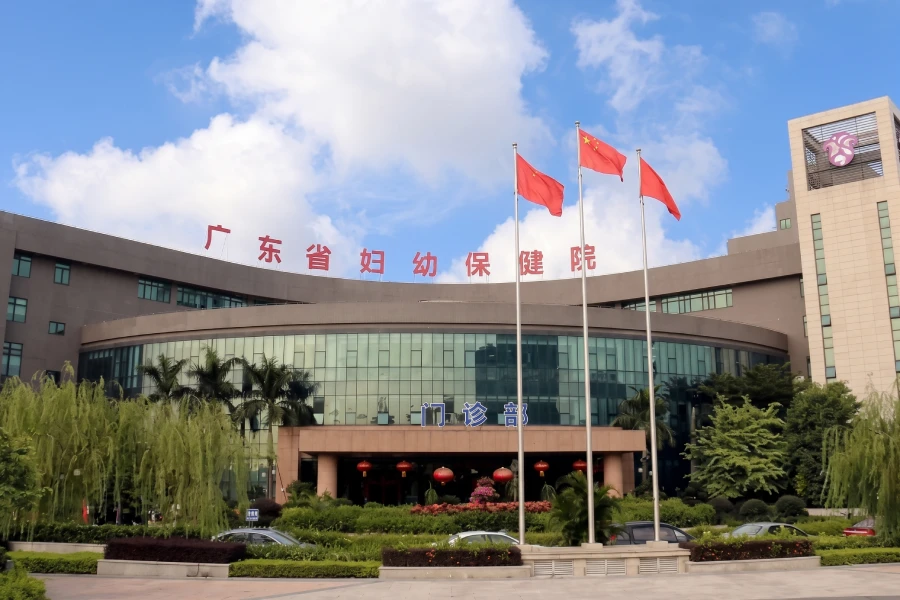
Guangdong Women and Children Hospital
Chinese name: 广东省妇幼保健院
Guangdong Maternal and Child Health Hospital, a Grade-A tertiary institution founded in 1944 and the province's maternal-child technical guidance center, operates four campuses with 1,255 licensed beds, 4 national key specialties (including neonatology and obstetrics) and 2668 qualified staff.
Since 1944
82 years of women & child care
1,255
Licensed beds
4
National key specialties
695
Licensed beds
Appointments with this physician are booked through official hospital channels only, coordinated end-to-end by Orisene.
Why patients travel to China for treatment
Six reasons international patients now put China on their shortlist — from internationally aligned clinical capability to the policy channels that make treatment here genuinely reachable.
Clinical capability at international standard
Chinese hospitals deliver internationally aligned protocols, performing vast volumes of advanced robotic, minimally invasive, and complex transplant surgeries annually. This massive clinical data and highly specialized workforce ensure world-class outcomes, even for rare and complex cases.
Diagnostics and treatment in days, not months
A full medical workup that typically means months of waiting elsewhere is completed in China within 48–72 hours. Imaging, labs, and multidisciplinary consultations are integrated into a single visit, allowing treatment to commence immediately.
Transparent, itemised pricing
Chinese healthcare offers legally binding, itemised cost estimates before treatment begins, eliminating hidden fees or surprise billing. Due to national centralized procurement, total expenses remain 40–70% lower than comparable care in Western Europe or North America.
Policy channels that open the door
China facilitates access through 240-hour visa-free transit and dedicated medical visa routes. Policies like the Greater Bay Area drug pathway and Boao Lecheng’s pilot zone allow designated hospitals to administer innovative therapies not yet globally approved.
Consulting this physician, step by step
From the first message to the follow-up after you fly home, one coordinator, no paperwork on your side.
01
Day 0
- Share your storyA private consultation with an Orisene advisor, by message, phone or video. Send medical records in any language. Nothing is shared with the hospital yet.
02
Days 1–3
- Records review & matchingOrisene translates and presents your case to the right specialist. The hospital returns a tailored care plan, with costs itemised once that plan is confirmed.
03
Days 3–7
- Your consultationAppointments are booked through official hospital channels only. Your navigator accompanies every visit with real-time interpretation, so you can focus on one thing: being cared for.
04
After you fly home
- Reports & follow-upTranslated reports and prescriptions delivered within days, remote follow-up coordination with your physicians at home, and a standing line to your navigator.
Orisene offers English and multilingual services, a professional medical interpreter at every consultation, plus translation of your records, reports and prescriptions.
Ready to plan your consultation with Dr. Wang Bo?
Send your records in any language. An Orisene advisor will reply within 2 hours, present your case to the right specialist, and return a tailored care plan with itemised costs, before anything is booked. Simple. Private. Efficient.
Information Sources
This physician profile is compiled by the Orisene team from publicly available online sources and verified at the time of publication. Details may change, and physician availability is confirmed at the time of booking.
- Guangdong Women and Children Hospital Official Page: https://www.e3861.com/keshizhuanjia/zhuanjiajieshao/33203.html
- PubMed – Disease severity of RSV infection and attachment glycoprotein mutations: https://pubmed.ncbi.nlm.nih.gov/32194139/
- PubMed – Role of PIM2 in acute lung injury induced by sepsis: https://pubmed.ncbi.nlm.nih.gov/35978927/
Disclaimer: This information is for general educational purposes only and is not a substitute for professional medical advice, diagnosis, or treatment. Always consult a qualified healthcare provider for personal medical guidance.
Mention of any specific product, brand, or manufacturer is for informational purposes only and does not constitute an endorsement or recommendation by Dr. Wang Bo.