Private & confidential
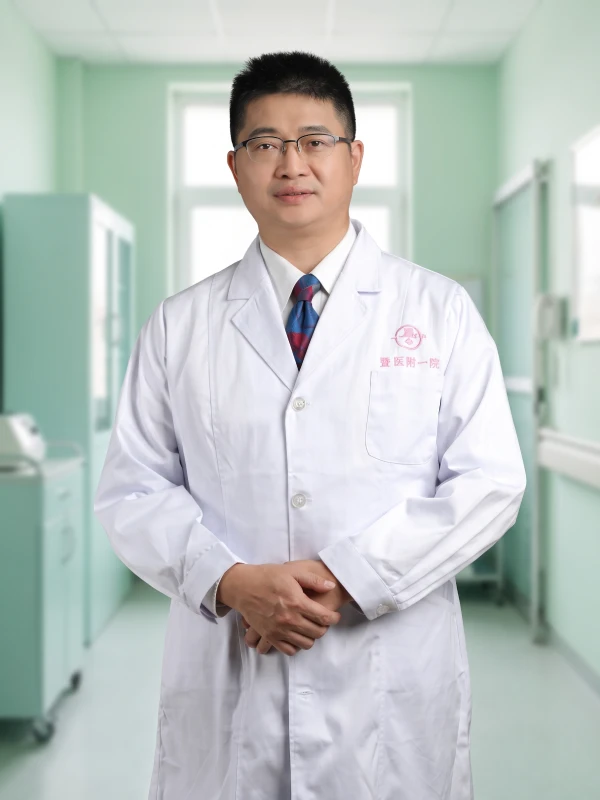
Dr. Wang Cunchuan
Chinese name: 王存川
Chief Physician . Metabolic and Bariatric Surgery
Wang Cunchuan is a chief physician, professor and doctoral supervisor at the First Affiliated Hospital of Jinan University. A pioneer of laparoscopic surgery in China, he specializes in minimally invasive metabolic and bariatric surgery for severe obesity and type 2 diabetes, and serves as a leading voice in the field.
30+
Years in clinical practice
6,000+
Bariatric and metabolic operations
300+
Peer-reviewed publications
About Dr. Wang Cunchuan
Professor Cunchuan Wang is a chief physician, professor and doctoral supervisor at the First Affiliated Hospital of Jinan University, where he serves as vice president and director of the metabolic and bariatric surgery center. He began laparoscopic practice in 1991 and performed mainland China's first laparoscopic Roux-en-Y gastric bypass in 2000. He pioneered the concept of precise metabolic and bariatric surgery and has completed thousands of procedures for severe obesity and type 2 diabetes. He is a past president of the IFSO Asia-Pacific Chapter, president of the Chinese Society for Metabolic and Bariatric Surgery, and a recipient of special government allowances.
- More than 30 years of clinical experience in general and laparoscopic surgery since 1991.
- Director of the metabolic and bariatric surgery center and vice president of the First Affiliated Hospital of Jinan University.
- President of the Chinese Society for Metabolic and Bariatric Surgery (CSMBS).
- Past President of the IFSO Asia-Pacific Chapter and international member of ASMBS.
- Performed the first laparoscopic Roux-en-Y gastric bypass in mainland China in 2000.
- Recipient of special government allowances from the State Council of China; author of more than 300 peer-reviewed papers.
Dr. Wang Cunchuan ’s Three Key Areas of Expertise
Three areas of focused expertise, each supported by a deep subspecialty team, high case volumes and an English-speaking care pathway coordinated by Orisene.
Severe and Morbid Obesity
Wang Cunchuan performs laparoscopic sleeve gastrectomy and Roux-en-Y gastric bypass to achieve durable weight loss in patients with severe and morbid obesity. He applies precise surgical techniques and multidisciplinary perioperative care to reduce complications and improve long-term metabolic outcomes for these patients.
Type 2 Diabetes Mellitus
For patients with type 2 diabetes and obesity, he offers metabolic surgery that improves glycemic control and can induce diabetes remission in selected patients. Careful selection, preoperative optimization and lifelong follow-up help patients achieve better blood sugar control and reduce diabetes-related complications.
Obesity-Related Metabolic Comorbidities
His team treats conditions linked to severe obesity, including fatty liver disease, obstructive sleep apnea, hypertension and dyslipidemia. Combined surgery and lifestyle management often improves or resolves these problems, lowering cardiovascular and metabolic risk and enhancing quality of life for patients with obesity.
More:Gastrointestinal tumors——laparoscopic resection of gastric and colorectal cancer; Thyroid diseases——scarless endoscopic thyroidectomy; Abdominal wall hernia——laparoscopic hernia repair; Hepatobiliary, pancreatic and splenic diseases——minimally invasive surgery
Selected cases, research & publications
Representative work drawn from documented clinical treatments, publicly indexed literature, and hospital project records, reflecting the depth of this physician's hands-on expertise and academic rigor.
1. Biography: Professor Cunchuan Wang and the First LRYGB in Mainland China
This Obesity Surgery biography documents Professor Wang’s career, noting that he performed the first laparoscopic Roux-en-Y gastric bypass in mainland China in 2000 and operated on a man with a BMI of 99. It also describes his center’s large bariatric case volume.
2. Reoperative Metabolic and Bariatric Surgery: A Report of 54 Cases
This study reviewed 54 patients who underwent reoperative bariatric surgery over nearly two decades. Inadequate weight loss or weight regain was the most common cause, followed by complications such as adhesive obstruction and reflux, informing safe revisional strategies for difficult cases.
3. Mid-Long-Term Revisional Surgery After Sleeve Gastrectomy
This systematic review and meta-analysis examined revisional surgery after laparoscopic sleeve gastrectomy, pooling international data on reasons, techniques and outcomes. It helps surgeons choose revisional procedures, including gastric bypass, for patients with insufficient weight loss, weight regain or complications after sleeve gastrectomy.
Related link: https://pubmed.ncbi.nlm.nih.gov/30903425/
4. Micronutrient Supplement Ratios After Metabolic and Bariatric Surgery
This paper discusses the importance of maintaining proper zinc and copper supplement dosage ratios after bariatric surgery. It highlights deficiency risks and guides clinicians in designing supplementation to prevent neurological and hematologic complications in patients after gastric bypass and sleeve gastrectomy.
5. Bone, Irisin and Body Composition Changes After Bariatric Procedures
This prospective study measured irisin, bone mineral density, bone mineral content and body composition in obese adults after laparoscopic bariatric procedures. It clarifies how metabolic surgery affects skeletal and hormonal parameters, supporting monitoring and nutritional care to protect bone health during weight loss.
Related link: https://pubmed.ncbi.nlm.nih.gov/31133501/
6. Laparoscopic Precise Sleeve Gastrectomy and Gastric Bypass Demonstrations
At an international academic forum, Professor Wang’s team performed live demonstrations of laparoscopic precise sleeve gastrectomy and gastric bypass with experts from the United States, Chile and Brazil. The session shared techniques for managing complications such as gastric leak and reflux after bariatric surgery.
Where Dr. Wang Cunchuan practices

The First Affiliated Hospital of Jinan University(Guangzhou Overseas Chinese Hospital)
Chinese name: 暨南大学附属第一医院(广州华侨医院)
The First Affiliated Hospital of Jinan University, Guangzhou Overseas Chinese Hospital, founded in 1978, is a Grade-A tertiary university hospital and Guangdong high-level hospital, one of the province's first internet hospitals, with cerebrovascular, joint-sports and bariatric centers serving 80,000 annual discharges.
Since 1981
45 years of care
1,969
Licensed beds
73,000
Annual inpatient surgeries
Yes
Licensed beds
Appointments with this physician are booked through official hospital channels only, coordinated end-to-end by Orisene.
Why patients travel to China for treatment
Six reasons international patients now put China on their shortlist — from internationally aligned clinical capability to the policy channels that make treatment here genuinely reachable.
Clinical capability at international standard
Chinese hospitals deliver internationally aligned protocols, performing vast volumes of advanced robotic, minimally invasive, and complex transplant surgeries annually. This massive clinical data and highly specialized workforce ensure world-class outcomes, even for rare and complex cases.
Diagnostics and treatment in days, not months
A full medical workup that typically means months of waiting elsewhere is completed in China within 48–72 hours. Imaging, labs, and multidisciplinary consultations are integrated into a single visit, allowing treatment to commence immediately.
Transparent, itemised pricing
Chinese healthcare offers legally binding, itemised cost estimates before treatment begins, eliminating hidden fees or surprise billing. Due to national centralized procurement, total expenses remain 40–70% lower than comparable care in Western Europe or North America.
Policy channels that open the door
China facilitates access through 240-hour visa-free transit and dedicated medical visa routes. Policies like the Greater Bay Area drug pathway and Boao Lecheng’s pilot zone allow designated hospitals to administer innovative therapies not yet globally approved.
Consulting this physician, step by step
From the first message to the follow-up after you fly home, one coordinator, no paperwork on your side.
01
Day 0
- Share your storyA private consultation with an Orisene advisor, by message, phone or video. Send medical records in any language. Nothing is shared with the hospital yet.
02
Days 1–3
- Records review & matchingOrisene translates and presents your case to the right specialist. The hospital returns a tailored care plan, with costs itemised once that plan is confirmed.
03
Days 3–7
- Your consultationAppointments are booked through official hospital channels only. Your navigator accompanies every visit with real-time interpretation, so you can focus on one thing: being cared for.
04
After you fly home
- Reports & follow-upTranslated reports and prescriptions delivered within days, remote follow-up coordination with your physicians at home, and a standing line to your navigator.
Orisene offers English and multilingual services, a professional medical interpreter at every consultation, plus translation of your records, reports and prescriptions.
Ready to plan your consultation with Dr. Wang Cunchuan?
Send your records in any language. An Orisene advisor will reply within 2 hours, present your case to the right specialist, and return a tailored care plan with itemised costs, before anything is booked. Simple. Private. Efficient.
Information Sources
This physician profile is compiled by the Orisene team from publicly available online sources and verified at the time of publication. Details may change, and physician availability is confirmed at the time of booking.
- Chinese Medical Information Query Platform (Dayi): https://www.dayi.org.cn/doctor/1135298.html
- Obesity Surgery biography, Springer: https://link.springer.com/article/10.1007/s11695-019-03712-y
- ASMBS 2023 Annual Meeting profile: https://2023.asmbsmeeting.com/person/wang-cunchuan-md-phd
- Department of Metabolic and Bariatric Surgery, First Affiliated Hospital of Jinan University: https://www.zgsyz.com/zgsywk/EN/abstract/abstract34691.shtml
Disclaimer: This information is for general educational purposes only and is not a substitute for professional medical advice, diagnosis, or treatment. Always consult a qualified healthcare provider for personal medical guidance.
Mention of any specific product, brand, or manufacturer is for informational purposes only and does not constitute an endorsement or recommendation by Dr. Wang Cunchuan.