Private & confidential
Dr. Wu Shulin
Chinese name: 吴书林
Chief Expert, Chief Physician, Professor, Doctoral Supervisor . Cardiology & Electrophysiology
Dr. Wu Shulin is Chief Expert at Guangdong Provincial People's Hospital and Honorary Director of the Guangdong Cardiovascular Institute. A fellow of the American College of Cardiology, European Society of Cardiology and Heart Rhythm Society, he pioneered catheter ablation for cardiac arrhythmia in China and leads national efforts to improve atrial fibrillation and electrophysiology care.
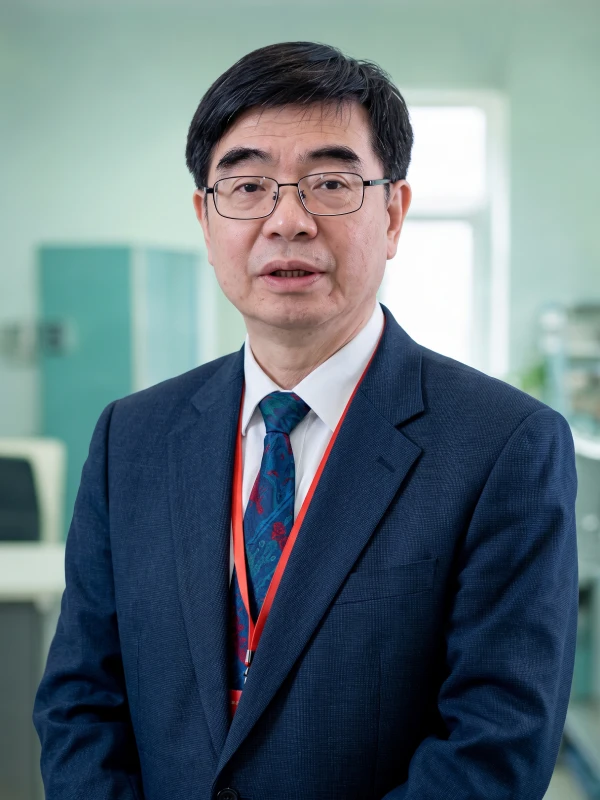
Dr. Wu Shulin
40+ years
Years in Cardiac Electrophysiology
9,000+ cases
Tachyarrhythmia Patients Treated by Catheter Ablation
200+ papers
Published Academic Papers
About Dr. Wu Shulin
Dr. Wu Shulin is Chief Expert in cardiology at Guangdong Provincial People's Hospital and Honorary Director of the Guangdong Cardiovascular Institute. A former president of the hospital and director of the institute, he has devoted more than four decades to cardiac electrophysiology. He introduced catheter radiofrequency ablation for tachyarrhythmia in China in 1990 and established the arrhythmia ablation and pacing programme that has treated tens of thousands of patients. His research on atrial fibrillation, left atrial appendage closure and atrial fibrosis has shaped national consensus statements, and he is a recipient of the State Council Special Allowance.
1、Chief Expert at Guangdong Provincial People’s Hospital and Honorary Director of the Guangdong Cardiovascular Institute
2、Former President of Guangdong Provincial People’s Hospital and Director of the Guangdong Cardiovascular Institute
3、Chairman of the Heart Rhythm Branch of the Chinese Society of Biomedical Engineering
4、Fellow of the American College of Cardiology, European Society of Cardiology and Heart Rhythm Society
5、Recipient of the National Famous Doctor award and the State Council Special Allowance
6、Pioneer of catheter radiofrequency ablation for tachyarrhythmia in China since 1990
Dr. Wu Shulin ’s Three Key Areas of Expertise
Three areas of focused expertise, each supported by a deep subspecialty team, high case volumes and an English-speaking care pathway coordinated by Orisene.
Cardiac arrhythmia
He diagnoses and treats atrial fibrillation, supraventricular and ventricular tachycardia and bradyarrhythmia, using catheter ablation, pacemakers, implantable devices and drug therapy to control heart rhythm, relieve symptoms and reduce stroke risk in patients with complex, drug-resistant rhythm disorders over the long term.
Catheter ablation
He pioneered radiofrequency ablation for tachyarrhythmia in China and performs catheter ablation for atrial fibrillation, atrial flutter and ventricular arrhythmia, using advanced mapping and imaging to restore normal rhythm effectively and safely in patients with symptomatic or drug-refractory arrhythmias and follow-up monitoring.
Atrial fibrillation and stroke prevention
He leads national consensus work on left atrial appendage closure, anticoagulation and rhythm control, guiding clinicians on comprehensive stroke prevention and long-term management for patients with atrial fibrillation, particularly those with high bleeding or stroke risk, who require careful individualised risk assessment.
More: bradyarrhythmia——pacing; ventricular arrhythmia——ablation and devices; syncope——evaluation; palpitations——diagnosis; heart failure——device therapy
Selected cases, research & publications
Representative work drawn from documented clinical treatments, publicly indexed literature, and hospital project records, reflecting the depth of this physician's hands-on expertise and academic rigor.
1. Catheter Ablation of Persistent Atrial Fibrillation in a Patient with Dextrocardia
Case report of a 45-year-old man with drug-resistant persistent atrial fibrillation and dextrocardia who underwent catheter ablation guided by three-dimensional electroanatomical mapping and CT image integration, achieving complete pulmonary vein isolation and freedom from arrhythmia at nine months, demonstrating a safe approach for arrhythmia patients with complex congenital heart anatomy.
Related link: https://pubmed.ncbi.nlm.nih.gov/22800910/
2. Idiopathic Ventricular Arrhythmias Originating From the Pulmonary Sinus Cusp: Prevalence, ECG and Electrophysiological Characteristics, and Catheter Ablation
Landmark study characterising idiopathic ventricular arrhythmias arising from the pulmonary sinus cusp, detailing their prevalence, electrocardiographic features and electrophysiological characteristics, and showing that catheter ablation within the pulmonary sinus cusps offers an effective cure for patients with symptomatic premature ventricular contractions or outflow-tract ventricular tachycardia refractory to medication.
Related link: https://pubmed.ncbi.nlm.nih.gov/26670064/
3. Simultaneous Endocardial and Epicardial Delineation of 3D Reentrant Ventricular Tachycardia
High-resolution simultaneous endocardial and epicardial mapping study of scar-related reentrant ventricular tachycardia in structural heart disease, revealing three-dimensional circuits and mid-myocardial reentry that a flat two-dimensional view misses, refining ablation targets and improving the precision of substrate-based catheter ablation for patients with recurrent ventricular tachycardia.
Related link: https://pubmed.ncbi.nlm.nih.gov/32130924/
4. Long-Term Outcomes of Radio-Frequency Catheter Ablation on Ventricular Tachycardias Due to Arrhythmogenic Right Ventricular Cardiomyopathy
Eleven-year single-centre experience of radiofrequency catheter ablation for recurrent drug-refractory ventricular tachycardia in arrhythmogenic right ventricular cardiomyopathy, showing that combined endocardial and epicardial ablation achieves better procedural success and longer arrhythmia-free survival than the endocardial approach alone, with fewer sudden cardiac deaths in patients with successful procedures.
5. Sex-Related Risks of Recurrence of Atrial Fibrillation After Ablation: Insights from the Guangzhou Atrial Fibrillation Ablation Registry
Large single-centre registry analysing 1,410 Chinese patients undergoing atrial fibrillation ablation, comparing arrhythmia recurrence between women and men and showing similar complication and recurrence rates, while identifying sex-specific clinical predictors such as left atrial diameter, BNP and CRP to guide risk stratification before catheter ablation of atrial fibrillation.
Related link: https://pubmed.ncbi.nlm.nih.gov/30683618/
6. Substrate-Based Catheter Ablation for Left Posterior Fascicular Ventricular Tachycardia: Electrophysiological Characteristics and Long-Term Outcome
Study describing the electrophysiological characteristics and long-term outcomes of substrate-based catheter ablation for left posterior fascicular ventricular tachycardia, targeting fragmented antegrade Purkinje potentials during sinus rhythm, an approach that improves procedural success and reduces recurrence in patients with this idiopathic fascicular ventricular tachycardia requiring catheter ablation.
Related link: https://pubmed.ncbi.nlm.nih.gov/36610066/
Where Dr. Wu Shulin practices
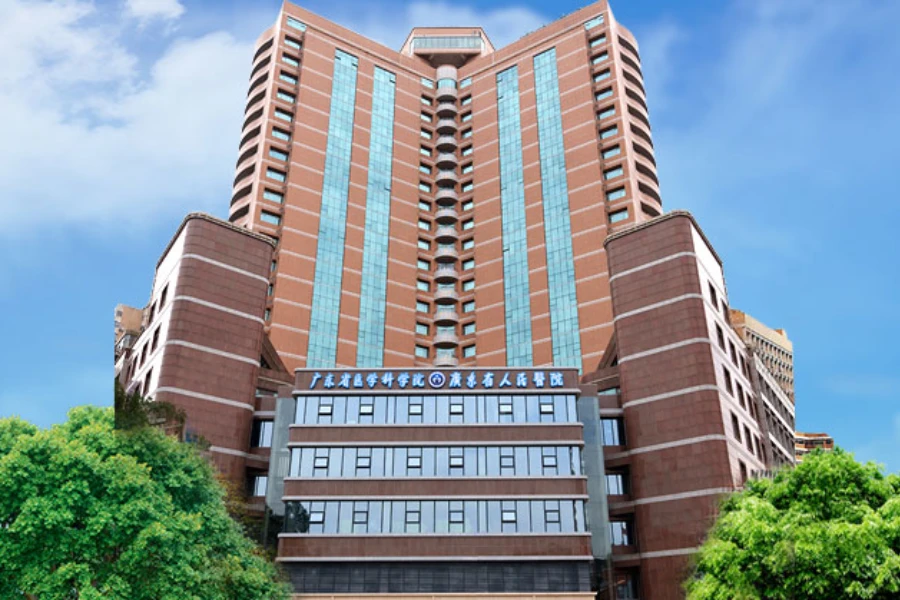
Guangdong Provincial People’s Hospital
Chinese name: 广东省人民医院
Guangdong Provincial People's Hospital, a Grade-A tertiary general hospital founded in 1946, is a national cardiovascular regional medical center with 14 national key specialties, 2,852 licensed beds and 3.4 million annual outpatient visits, ranking top A++ nationally in hospital performance.
Since 1946
80 years of care
2,852
Licensed beds
3.4 million
Annual outpatient visits
14
Licensed beds
Appointments with this physician are booked through official hospital channels only, coordinated end-to-end by Orisene.
Why patients travel to China for treatment
Six reasons international patients now put China on their shortlist — from internationally aligned clinical capability to the policy channels that make treatment here genuinely reachable.
Clinical capability at international standard
Chinese hospitals deliver internationally aligned protocols, performing vast volumes of advanced robotic, minimally invasive, and complex transplant surgeries annually. This massive clinical data and highly specialized workforce ensure world-class outcomes, even for rare and complex cases.
Diagnostics and treatment in days, not months
A full medical workup that typically means months of waiting elsewhere is completed in China within 48–72 hours. Imaging, labs, and multidisciplinary consultations are integrated into a single visit, allowing treatment to commence immediately.
Transparent, itemised pricing
Chinese healthcare offers legally binding, itemised cost estimates before treatment begins, eliminating hidden fees or surprise billing. Due to national centralized procurement, total expenses remain 40–70% lower than comparable care in Western Europe or North America.
Policy channels that open the door
China facilitates access through 240-hour visa-free transit and dedicated medical visa routes. Policies like the Greater Bay Area drug pathway and Boao Lecheng’s pilot zone allow designated hospitals to administer innovative therapies not yet globally approved.
Consulting this physician, step by step
From the first message to the follow-up after you fly home, one coordinator, no paperwork on your side.
01
Day 0
- Share your storyA private consultation with an Orisene advisor, by message, phone or video. Send medical records in any language. Nothing is shared with the hospital yet.
02
Days 1–3
- Records review & matchingOrisene translates and presents your case to the right specialist. The hospital returns a tailored care plan, with costs itemised once that plan is confirmed.
03
Days 3–7
- Your consultationAppointments are booked through official hospital channels only. Your navigator accompanies every visit with real-time interpretation, so you can focus on one thing: being cared for.
04
After you fly home
- Reports & follow-upTranslated reports and prescriptions delivered within days, remote follow-up coordination with your physicians at home, and a standing line to your navigator.
Orisene offers English and multilingual services, a professional medical interpreter at every consultation, plus translation of your records, reports and prescriptions.
Ready to plan your consultation with Dr. Wu Shulin?
Send your records in any language. An Orisene advisor will reply within 2 hours, present your case to the right specialist, and return a tailored care plan with itemised costs, before anything is booked. Simple. Private. Efficient.
Information Sources
This physician profile is compiled by the Orisene team from publicly available online sources and verified at the time of publication. Details may change, and physician availability is confirmed at the time of booking.
- Guangdong Provincial People’s Hospital Official Expert Page: https://www.gdghospital.org.cn/Expertlistt/info_itemid_25507_subjectid_79.html
- PubMed Author Records (atrial fibrillation and ablation): https://pubmed.ncbi.nlm.nih.gov/35032332/
Disclaimer: This information is for general educational purposes only and is not a substitute for professional medical advice, diagnosis, or treatment. Always consult a qualified healthcare provider for personal medical guidance.
Mention of any specific product, brand, or manufacturer is for informational purposes only and does not constitute an endorsement or recommendation by Dr. Wu Shulin.