سونفوزيرتينيب معتمد ويُستخدم سريريًا في الصين. الجزء الأصعب ليس العثور على الدواء، بل الحصول على الوصفة الطبية، وقناة التوريد، والأوراق التي تحدد ما إذا كان بإمكانك اصطحابه إلى بلدك بصورة قانونية.
قبل متابعة القراءة
يشرح هذا الدليل كيفية الحصول على الدواء في الصين. وهو ليس نصيحة طبية، ولا يعني أن أي مريض بعينه سيُوصف له هذا الدواء. تعتمد الأهلية على ملف الطفرات لديك، وسجل علاجاتك، وتقدير طبيب الأورام المعالج.
الأسعار أدناه لقطات مؤرخة وقد تتغير. لا نذكر سعرًا نهائيًا إلى أن يؤكده المستشفى كتابةً.
جدول المحتويات
هل يتوفر sunvozertinib في الصين؟
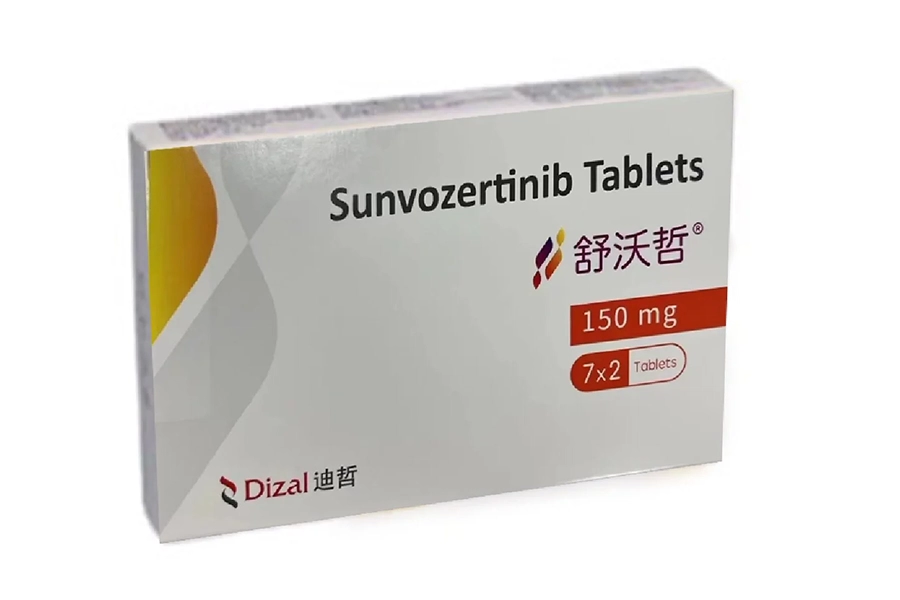
نعم. وافقت الإدارة الوطنية الصينية للمنتجات الطبية (NMPA) على سونفوزيرتينيب في أغسطس 2023 للبالغين المصابين بسرطان الرئة ذي الخلايا غير الصغيرة (NSCLC) المتقدم موضعيًا أو النقيلي، والذين تحمل أورامهم طفرة إدخال في الإكسون 20 من جين EGFR والذين تطور المرض لديهم بعد العلاج الكيميائي القائم على البلاتين. والاسم التجاري الصيني هو شوووتشه (Shuwozhe); ؛ أما الاسم التجاري الدولي فهو زيغفروفي. وقد طوّرته شركة Dizal Pharmaceutical في شنغهاي.
في يوليو 2025، منحت إدارة الغذاء والدواء الأمريكية موافقةً معجّلة للاستطباب نفسه بعد العلاج بالبلاتين. ومنذ ذلك الحين، ظل التوزيع التجاري في الولايات المتحدة محدودًا، وهذا أحد أسباب اهتمام المرضى المصابين بهذه الطفرة بالصين.
لماذا يسافر المرضى للحصول على هذا الدواء
وثّق تحقيق نُشر في أكتوبر 2026 أجرته واشنطن بوست بالتعاون مع KFF Health News سفر مرضى أمريكيين بالسرطان إلى الصين للحصول على أدوية الأورام من الجيل التالي، لأن هذه الأدوية لم تُعتمد بعد في بلدانهم، أو اعتُمدت لكن لم تصل بعد إلى رفوف الصيدليات، أو أن أسعارها تفوق قدرتهم. وبالنسبة إلى هدف نادر مثل طفرات الإدخال في الإكسون 20 من جين EGFR، تُقاس الفجوة بين الموافقة التنظيمية ووجود صيدلية يمكنها تسليمك الدواء فعليًا بالأشهر، فيما لا ينتظر التشخيص.
تتكرر ثلاثة أسباب عملية:
- الدواء متوفر الآن. يُصرف سونفوزيرتينيب في مراكز علاج السرطان الصينية منذ عام 2023، وهو مدرج في قائمة السداد الوطنية، لذا فإن قنوات المستشفيات والصيدليات قائمة وليست تجريبية.
- الوصول إلى الاختصاصيين أسرع. عند تجهيز السجلات الطبية، يمكن عادةً معاينة المريض الدولي في مركز رئيسي خلال أيام من وصوله، بدلًا من انتظار أسابيع للحصول على موعد في بلده.
- السعر المدرج جزء بسيط من أسعار الإطلاق في الدول الغربية. هذه حقيقة تتعلق بالميزانية، لا بالعلاج السريري — فالسعر ليس أبدًا سببًا لتناول دواء لا يناسب طفرتك.
الاعتماد لا يعني توافر الدواء في المخزون
هذا التمييز أهم من أي شيء آخر في هذه الصفحة. تعني الموافقة الوطنية أنه يجوز وصف الدواء وبيعه قانونيًا. لكنها لا تعني أن كل مستشفى يحتفظ به، وبالتأكيد لا تعني أن بإمكان الزائر دخول صيدلية وشرائه.
في الصين، يصل سونفوزيرتينيب إلى المرضى عبر قناتين منظمتين:
- صيدلية المستشفى (院内药房). تخزّنه مراكز الأورام الكبرى من المستوى الثالث لمرضى العيادات الخارجية لديها. ويختلف توفره حسب المستشفى والشهر، وغالبًا ما يُحدَّد عدد العبوات المسموح بها في الوصفة الواحدة.
- صيدليات DTP ذات القناتين (双通道 / DTP 特药药房). يُصرَّح للصيدليات المعيّنة بصرف أدوية محددة لا تُتاح إلا في المستشفيات، بموجب وصفة طبية صادرة عن مستشفى. وهذه هي الطريقة التي يحصل بها كثير من المرضى على الدواء عندما لا يتوفر في المستشفى نفسه — وعادةً ما يتطلب ذلك التحقق مسبقًا من المخزون، غالبًا قبل الاستشارة بـ24–72 ساعة.
لا يجوز لصيدلية المستشفى أو صيدلية DTP صرف الدواء إلا بموجب وصفة طبية يحررها طبيب مرخّص في الصين. ولا يوجد مسار قانوني للبيع بالتجزئة لتجاوز هذا الشرط، كما لا يجوز قانونًا شراء أدوية الأورام التي تُصرف بوصفة طبية عبر قنوات البيع بالتجزئة على الإنترنت في الصين.
بشأن البرنامج التجريبي في لي تشنغ بهينان. تتيح بوآو لي تشنغ استخدام بعض الأدوية المعتمدة في الخارج قبل حصولها على الموافقة الوطنية. وقد حصل Sunvozertinib بالفعل على موافقة NMPA، لذا لا حاجة إلى مسار لي تشنغ — وهي معلومة يجدر معرفتها إذا عُرضت عليك “نسخة مستوردة” بسعر أعلى.
لمن يُخصَّص الدواء — ولمن لا يُخصَّص
Sunvozertinib هو علاج موجّه. وليس علاجًا عامًا لسرطان الرئة، كما أنه غير قابل للاستبدال بمثبطات EGFR التي سمع بها معظم الناس.
من الناحية الدوائية، هو مثبط فموي غير عكوس لكيناز التيروزين EGFR، صُمّم ليكون انتقائيًا لمتغيرات إدخال الإكسون 20. وتمثل هذه الإدخالات نحو 1–2% من حالات NSCLC، وهي تغيّر شكل جيب ارتباط الدواء، ولذلك لا تحقق مثبطات الجيلين الأول والثالث، مثل osimertinib وerlotinib وgefitinib، أداءً جيدًا ضدها. وهذه الفجوة هي سبب وجود دواء مخصص لها — وهي أيضًا سبب ضرورة أن يذكر تقرير الطفرة المتغير المحدد، لا أن يكتفي بعبارة “إيجابي لـ EGFR”. توضح هذه الصفحة سبل الحصول على العلاج؛ أما ما إذا كان أحد أدوية الإكسون 20 أفضل لك من غيره، فهو سؤال سريري تُحدَّد إجابته بالاستناد إلى ملفك الطبي الكامل، لا إلى صفحة على الإنترنت.
يُستطب استخدامه للأورام التي تحمل طفرة إدخال في الإكسون 20 من EGFR, ، ويجب تأكيدها بالفحوص الجزيئية — عادةً عبر تسلسل الجيل التالي لأنسجة الورم أو بلازما الدم. إذا ذكر تقريرك “حذف الإكسون 19 من EGFR” أو “L858R” أو “تضخّم EGFR”، فهذه أهداف مختلفة وفئة دوائية مختلفة.
ثلاث نقاط عملية يخطئ المرضى في فهمها كثيرًا:
- فحص الطفرات هو بوابة بدء العلاج. لا يكفي تقرير علم الأمراض الذي يذكر فقط “إيجابي لـ EGFR”. أنت بحاجة إلى معرفة المتغير المحدد، وطريقة الفحص، والمختبر، وتاريخ أخذ العينة. وإذا أُجري الفحص على عينة نسيجية عمرها أكثر من عام، فقد يطلب اختصاصي الأورام إعادة الفحص باستخدام عينة حديثة من الأنسجة أو الدم.
- للتاريخ العلاجي أهمية. الاستطباب المعتمد هو بعد العلاج الكيميائي القائم على البلاتين. إذا لم تتلقَّ علاجًا كيميائيًا قائمًا على البلاتين، أو إذا رأى طبيبك أنك مرشح للعلاج في الخط الأول، فهذه مسألة تُناقَش سريريًا. وقد قُدِّم في الصين طلب تكميلي لاستخدام الدواء في الخط الأول استنادًا إلى دراسة WU-KONG28 العالمية من المرحلة الثالثة، وفي مايو 2026 منحت الهيئة الوطنية الصينية للمنتجات الطبية (NMPA) الطلب مراجعة ذات أولوية — لكن المراجعة ذات الأولوية قرار يتعلق بجدولة المراجعة، وليست موافقة، ويظل استخدام الدواء في الخط الأول خارج تجربة سريرية أو خارج نطاق النشرة المعتمدة خاضعًا للتقدير السريري لطبيب الأورام المعالج.
- يُعدّ ترتيب استخدام الدواء بالتتابع مع علاجات أخرى تستهدف الطفرات في الإكسون 20 مسألةً تتطلب رأي اختصاصي. Amivantamab and related agents act on the same mutation through different mechanisms. Do not switch or stack therapies on your own.
The practical consequence: no reputable provider should tell you that you are “eligible” before an oncologist has read your mutation report. If someone does, treat it as a sales signal rather than a medical opinion.
المسار القانوني للمرضى الأجانب
Foreign patients are treated in China every day, and the pathway is ordinary — it is simply unfamiliar. Four rules define it.
1. You need to be seen in person
A prescription for this medicine cannot be issued from a medical-record review alone. There is no remote-prescribing workaround, and a video call with a Chinese doctor does not produce a dispensable prescription. Plan for at least one in-person visit.
2. A foreign prescription cannot be filled
Your home-country prescription has no legal standing in a Chinese pharmacy. The Chinese prescription must come from a licensed physician at a Chinese medical institution, and it is issued in the hospital’s own system. Bring your overseas prescription and oncologist’s summary anyway — they are clinical background for the Chinese doctor and supporting paperwork on the way home.
3. Entry status must be sorted out first
China’s 240-hour visa-free transit applies to travellers from a specified list of countries who are passing through to a third destination. It is a transit facility, not a medical-stay visa, and it expires. If your consultation, testing and dispensing will span more than a few days — which is common — apply for the appropriate visa before you book anything. Confirm your own case with the nearest Chinese embassy or visa centre rather than relying on a general list.
4. The hospital, not an agent, controls the prescription
No concierge can guarantee that a prescription will be written. What a good one can do is make sure the oncologist has everything needed to make a decision on the day, and that nothing is lost between departments.
What to bring
Complete records change the outcome of a first visit more than anything else. Bring, at minimum:
- Passport and entry documents, plus a copy of your visa or entry stamp.
- Pathology report with the histological diagnosis and the date of biopsy.
- Molecular testing report: the panel used, the exon 20 insertion variant, variant allele frequency, the laboratory, and the sample date.
- All imaging from diagnosis onward — CT, MRI, PET-CT — as DICOM files on a USB drive or disc, not only printed films or phone photos, with the radiology reports. If a new baseline may be needed, a scan from the last four to six weeks is what the oncologist will ask for; older scans still show the trend, so bring both.
- Treatment history: drugs, cycles, dates, best response, reason for stopping, and any toxicity.
- Current medication list, allergies, and recent blood counts, liver and kidney function, and an ECG.
- A one-page summary in English signed by your treating physician, if you can obtain one.
English is generally workable at international departments, but pathology and molecular reports are the documents most often mangled by informal translation apps. Have the mutation details checked by a professional, and keep the original laboratory PDFs. For the full pre-travel list — payment, connectivity, and arrival logistics — see our China medical travel checklist.
ترتيب موعد استشارة، خطوة بخطوة
A realistic sequence for a patient coming from abroad. The whole path usually takes one to two weeks from first contact, assuming records are complete and the specialist has an opening. Nobody can honestly promise a specific date in advance.
- Pre-visit record review
Your records are organised into a single clinical summary and checked for the three things a thoracic oncologist will look for first: confirmed exon 20 insertion, prior platinum exposure, and current organ function. Missing items are flagged before you travel, not after you arrive. - Hospital and specialist matching
Hospitals differ in whether they hold the drug, how their international department runs, and which subspecialist is available. The shortlist below is a starting point, not a ranking — the right choice depends on your case and on current availability. - Appointment confirmation and written fee schedule
Registration is made through the hospital’s official channel. Ask for the consultation fee, expected tests and the dispensing route in writing before you commit to travel dates. - In-person assessment
The oncologist reviews your history, may order imaging or bloodwork, and decides whether sunvozertinib is appropriate. This is the step that produces — or does not produce — a prescription. Bring your original materials. - Dispensing and the paperwork file
The prescription is filled at the hospital pharmacy or a designated DTP pharmacy. Before you leave the counter, assemble the documents listed in section 06; replacing them later from another country is slow and sometimes impossible.
Hospitals international patients ask about
These are institutions international patients commonly ask about for thoracic oncology in the Greater Bay Area. They are examples to investigate, not a recommendation, and none of them has reviewed or endorsed this page. Availability of any specific drug must be confirmed with the hospital at the time of booking.
| Hospital | المدينة | What patients usually go there for |
|---|---|---|
| مركز السرطان بجامعة صن يات-سن | غوانغتشو | National-level cancer centre with a large thoracic oncology practice and an international clinic accustomed to overseas records. |
| مستشفى فوسون تشانتشنغ في فوشان | فوشان | JCI-accredited hospital with an international medical centre; convenient for follow-up visits near Guangzhou. |
| مستشفى الشعب بمقاطعة قوانغدونغ | غوانغتشو | Home to the Guangdong Lung Cancer Institute; strong record in EGFR-mutated NSCLC and rare EGFR variants. |
| المستشفى التابع الأول لجامعة صن يات-سن | غوانغتشو | Broad multidisciplinary support; often used when a patient has significant comorbidity or brain metastases. |
| المستشفى الأول التابع لجامعة قوانغتشو الطبية | غوانغتشو | National Centre for Respiratory Medicine; a natural fit for lung cancer and thoracic disease. |
| مستشفى نانفانغ، الجامعة الطبية الجنوبية | غوانغتشو | Large tertiary teaching hospital with a dedicated international medical centre. |
Hospital names are given in English and Chinese for booking purposes. Verify the department, the specialist and drug availability directly with each institution; details change.
كم تبلغ التكلفة؟
Cost questions deserve arithmetic rather than adjectives. Below is the medicine calculation, then the other lines that patients forget to budget for.
The medicine
Sunvozertinib is supplied as 150 mg tablets, 14 to a box. At the standard dose of 300 mg once daily — two tablets — one box covers seven days, and a 28-day cycle takes four boxes.
When it launched, the public list price was around RMB 9,040 per box. After inclusion in China’s National Reimbursement Drug List in early 2025, the listed price fell by more than half. A public price list at a Shenzhen hospital in September 2026 showed RMB 4,160.24 per box; other institutions list somewhat higher, in the region of RMB 4,320 to 4,960 per box.
| One box · 14 tablets · 7 days | RMB 4,160 – 4,960 |
| 28-day cycle · 4 boxes at 300 mg daily | RMB 16,640 – 19,840 |
| 28-day cycle · 2 boxes at a reduced 150 mg daily | RMB 8,320 – 9,920 |
| Approximate in US dollars (standard / reduced) | ≈ US$2,300 – 2,750 / 1,160 – 1,380 |
| Per month of treatment, medicine only | ≈ RMB 17,000 – 20,000 |
Converted at roughly RMB 7.2 to the US dollar. These are snapshots of listed self-pay prices at named institutions in September 2026. They are not national prices, not quotations, and not forecasts. Provincial tendering, hospital level and pack configuration all move the number, and a written hospital quote is the only figure worth planning around. At 150 mg daily a box covers 14 days rather than seven, so the monthly box count halves — which is exactly why a per-box price alone hides the real cost.
Reimbursement does not usually apply to you. The National Reimbursement Drug List lowers the price for eligible Chinese residents covered by social insurance. International self-pay patients generally pay the listed price. If you hold private international insurance, check whether it reimburses overseas pharmacy purchases — most policies require pre-authorisation, and direct billing at a Chinese hospital pharmacy is rare.
The rest of the bill
| Line item | What drives it | Indicative range (verify) | How to handle it |
|---|---|---|---|
| Specialist consultation | Hospital tier, and whether you are seen in an international department or a standard clinic. | International / VIP clinic RMB 500 – 1,500 per visit; standard expert clinic RMB 50 – 300. | Request the fee schedule in writing; international department fees are higher and are not negotiable. |
| Imaging and laboratory work | Whether existing scans are accepted, and whether a repeat molecular panel is required. | Roughly RMB 800 – 4,500. | Bring DICOM files; a repeat NGS panel is often the largest single test line. |
| Accommodation and transport | Length of stay, city, and airport transfers. | Varies by origin and itinerary. | Budget for at least one extra week in case tests or dispensing slip. |
| Interpretation and coordination | Number of appointments, complexity of the case, whether written translation is needed. | Quoted by scope. | Confirm what is included rather than assuming a per-day rate covers reports. |
Indicative ranges only, compiled from publicly available sources and subject to verification. Hospital charges are paid directly to the hospital or pharmacy; concierge fees are separate and quoted in writing.
Verify before you pay
- Ask for the price per box ولا the number of boxes needed for 28 days — a per-box price alone hides the real monthly cost.
- Confirm whether the quote is the list price or includes any hospital service fee.
- Ask for the batch number and expiry date of the stock that will actually be dispensed.
- Get the dispensing location in writing: hospital pharmacy or named DTP pharmacy.
- Confirm the maximum number of boxes a single prescription can cover — it is often capped, and it determines how much you can legally carry home.
- Never pay a deposit to an individual. Payment should go to the hospital or pharmacy, or to a company you can verify.
هل يمكنك أخذه إلى المنزل؟
This is the question patients ask last and should ask first. “Can I take it home” is really two separate legal questions — leaving China, and entering your own country — and both have to be answered yes.
Leaving China
Chinese customs rules permit travellers to carry a reasonable quantity for personal use, supported by a prescription and proof of medical need. “Reasonable” is assessed case by case; a quantity that looks like resale stock will not be treated as personal use. Keep the medicine in its original packaging, carry it in hand luggage rather than checked baggage, and keep the paperwork with it rather than in a suitcase.
Mailing or couriering prescription medicines out of China is a different activity with different rules, and it is not a route we use or recommend.
Entering your country
Your destination’s rules decide the answer, and they are not harmonised. The table below describes the general position in each jurisdiction; the linked regulator is the authority, not this page.
| Jurisdiction | Typical personal-import position | Key condition |
|---|---|---|
| United States | FDA may exercise enforcement discretion for up to a 90-day supply. | Discretionary, not an entitlement. Generally requires a serious condition, no adequate domestic alternative, no commercial distribution, and a prescription; not for resale. |
| European Union | Set by member state, commonly around a 30-day personal supply. | Prescription and proof of personal use; some states require prior authorisation. Germany, France and the Netherlands differ. |
| United Kingdom | Generally up to a three-month personal supply. | Must be prescribed for you and carried for your own use; licensed-medicine rules still apply on entry. |
| Canada | Generally up to a 90-day personal supply. | Prescription or equivalent documentation; Health Canada retains discretion. |
| Australia | Personal importation scheme, generally up to three months. | TGA conditions apply, including that the medicine is for your own treatment. |
General positions as commonly applied. Individual cases can be refused; confirm with the regulator or a customs broker before purchase.
The document file that decides it
Assemble this before you leave the hospital, not at the airport:
- Original prescription, with the hospital’s official seal.
- Hospital invoice or official receipt showing the medicine, quantity and price.
- A medical record or discharge summary stating the diagnosis, the mutation, and that the medicine is for your personal treatment.
- Original outer carton with the batch number and expiry date legible.
- Your own prescription from home, if you have one, and a physician’s letter in English explaining the treatment plan.
- A copy of everything, kept separately from the originals.
Get the answer in writing before you pay. If your country’s regulator, your insurer, or a customs broker tells you the quantity is acceptable, keep that correspondence. If nobody will confirm it, buy only what you can legally carry and plan a follow-up visit or a domestic alternative.
If the drug is approved at home
Since the U.S. accelerated approval in 2025, and with further launches expected, local sourcing may become simpler than importing. Availability and reimbursement in your own country usually beat a carry-home plan on continuity of supply — worth checking before committing to a China trip for the medicine alone.
ما الذي يمكن لخدمة الكونسيرج الطبي فعله وما لا يمكنها فعله
Patients arrive with wildly different expectations of what “concierge” means. Here is our own boundary, stated plainly.
What we do
- Organise records into a clinical summary a Chinese oncologist can read quickly, and flag what is missing.
- Match the case to hospitals and specialists, and book through official channels.
- Provide a medical interpreter at appointments, including consent discussions and pharmacy instructions.
- Accompany you through registration, testing, dispensing and follow-up scheduling.
- Verify hospital and DTP pharmacy stock and prescription policy before you travel.
- Translate reports afterwards and coordinate remote follow-up with the treating team.
What we do not do
- We do not diagnose, prescribe, or advise for or against a specific drug. That is the oncologist’s role.
- We do not guarantee a prescription, a hospital bed, a visa, a customs outcome, or a fixed appointment date.
- We do not buy queue positions, use scalpers, or make any payment to a clinician or hospital employee. All bookings go through official channels.
- We do not carry or ship medicine on your behalf, and we do not hold stock.
- We do not share your records with any third party without your written consent.
Orisene Health is a navigation and coordination service — a service partner, not a clinic. We are independent of hospitals and pharmaceutical companies, and we take no referral fee from either. Medication and hospital charges are settled directly with the hospital or pharmacy. If a recommendation cannot be explained in terms of your case, it should not be trusted — ours included.
الأسئلة التي يطرحها المرضى
هل تمت الموافقة على sunvozertinib في الصين؟
نعم. وافقت عليه الهيئة الوطنية للمنتجات الطبية الصينية (NMPA) في أغسطس 2023 للبالغين المصابين بسرطان الرئة ذي الخلايا غير الصغيرة (NSCLC) المتقدم موضعيًا أو النقيلي، الحامل لطفرة إدخال في الإكسون 20 من جين EGFR، بعد تقدم المرض إثر العلاج الكيميائي القائم على البلاتين. ويُسوَّق في الصين باسم 舒沃哲 (Shuwozhe). ويظل تحديد مدى أهلية كل مريض قرارًا سريريًا.
هل يمكنني شراؤه دون مراجعة الطبيب؟
لا. لا يُصرف هذا الدواء إلا بوصفة طبية، ويجب أن يصدرها طبيب صيني مرخّص بعد تقييم حضوري. لا يمكن صرف الوصفات الطبية الأجنبية في الصين، كما لا يجوز قانونًا شراء أدوية الأورام التي لا تُصرف إلا بوصفة طبية عبر متاجر البيع بالتجزئة على الإنترنت في الصين.
How much does it cost per month?
At September 2026 self-pay prices of roughly RMB 4,160 to 4,960 per 14-tablet box, a 28-day cycle of four boxes comes to about RMB 16,640 to 19,840 — approximately US$2,300 to 2,750. Treat this as a dated reference, not a quote.
Does insurance cover it?
China’s national reimbursement applies to eligible residents with social insurance; international self-pay patients generally pay list price. Private international insurance sometimes reimburses overseas pharmacy purchases, but usually requires pre-authorisation, and direct billing at a Chinese hospital pharmacy is uncommon.
Can I take it home with me?
Sometimes. Chinese customs allows a reasonable personal quantity with a prescription and proof of medical need, and your destination country sets its own limit — the U.S. policy is discretionary and generally capped at a 90-day supply, while the EU, UK, Canada and Australia each differ. Confirm both sides before you buy.
Can you courier the medicine to my country?
No. Cross-border mail or courier of prescription medicines is not a lawful personal-import route in most jurisdictions, and we do not offer it. The medicine has to travel with you, in original packaging, with documentation.
How long does an appointment take to arrange?
Plan on several business days to about two weeks for an international department in Guangzhou or Shenzhen, depending on the specialist and how complete your records are. We book through official channels, so we cannot promise a fixed date.
Do I need to speak Chinese?
Not for registration, but you do need interpretation for the oncology consultation, consent forms and pharmacy counselling. Medical interpretation is not the same as conversational translation, particularly when side effects and dose changes are discussed.
What if my tumour does not have an exon 20 insertion?
Then this medicine is not indicated for you. It targets exon 20 insertion mutations specifically and does not substitute for osimertinib or other inhibitors used for exon 19 deletions and L858R. Ask your oncologist about the right option for your variant.
Is it better than amivantamab?
That is not a question this page can answer, and anyone who answers it without your full record is guessing. Both act on exon 20 insertion NSCLC through different mechanisms, with different evidence bases and different tolerability. The comparison belongs to your treating oncologist.
المصادر والتحقق
This guide was written from primary regulatory documents, published price disclosures and reporting, and reviewed on 26 October 2026. We do not use patient testimonials, and we do not present estimates as quotations. Where a figure comes from a single institution, we say so, and hospital price lists are cited with the date they were accessed. Regulatory and customs statements are cited to the issuing authority, which remains the authority — not this page.
- China National Medical Products Administration (NMPA), approval announcement for sunvozertinib tablets, August 2023. english.nmpa.gov.cn
- U.S. Food and Drug Administration, “FDA grants accelerated approval to sunvozertinib for metastatic NSCLC with EGFR exon 20 insertion mutations”, July 2025. fda.gov
- AstraZeneca, press release on the global licence agreement for ZEGFROVY (sunvozertinib), September 2026. astrazeneca-us.com
- Dizal Pharmaceutical, product and pipeline disclosures, including the first-line supplemental application and the WU-KONG28 phase III programme. dizalpharma.com
- China National Health Commission, Measures for the Supervision and Administration of Prescriptions — dispensing of prescription medicines by medical institutions. nhc.gov.cn
- Drug Administration Law of the People’s Republic of China (2019 revision). english.nmpa.gov.cn
- China General Administration of Customs, passenger clearance guidance — personal-use quantity assessment for medicines carried across the border. english.customs.gov.cn
- Shanghai Municipal Government, guidance on carrying personal medicines into or out of China. english.shanghai.gov.cn
- U.S. FDA, “Personal Importation”, Import Basics. fda.gov
- U.S. Customs and Border Protection, guidance on bringing medications into the United States. help.cbp.gov
- Shenzhen New Frontier United Family Hospital, public drug price list, accessed 22 September 2026 (sunvozertinib 150 mg, 14 tablets per box, RMB 4,160.24). szufh.hk
- PharmCube, reporting on the post-reimbursement price adjustment for sunvozertinib. pharmcube.com
- The Washington Post / KFF Health News, reporting on international patients travelling to China for oncology medicines, 20 October 2026. washingtonpost.com
- Orisene Health, China medical travel checklist — the intake document we use to prepare a first consultation.